Be
About the Works
Be began with a gear tree I drew many years ago: a hand-drawn image in which the form of a tree intertwines with gear-like structures. At the time, it was simply a doodle drawn intuitively in my notebook. Years later, it became the starting point for reinterpreting the image through photography.
Read full text
Looking back, the tree first connects with a sense of familiarity and stability. The lines of roadside trunks and spreading branches, the sound of wind passing through leaves, and the sight of light filtering through tall conifers along a forest trail all shape my experience of trees. A tree has form and order, as well as a quiet, enduring presence. What remains in the work is the form and atmosphere that repeatedly appear in daily life and bring me a sense of calm.
The gear-like structures connect with my own sense of order and mechanicality: rules, movement, meshing, repetition, and cycles. I am often drawn to structures, arrangements, textures, and systems, and I habitually understand things by analysing, taking them apart, and looking for rules. In the gear tree, however, the gears take on strange, irregular forms. They appear to have been given life, connecting, branching, and extending organically. To me, the image resembles an inner structure: the orderly and mechanical part of myself attempting, through creative work, to move toward a more organic form.
The initial method of Be was direct. I wanted to reinterpret the gear tree through photography, replacing its gears with technological objects from everyday life and its tree with natural materials. This relationship of substitution runs through every work in the series. Circuit boards, hard drives, keyboards, plants, stones, watermarks, and broken or retained objects gradually became source material. They are all things I have encountered, used, seen, or noticed in daily life, and are therefore connected to my experience. Some carry a mechanical order; others extend the forms and textures of trees, plants, stones, or watermarks. They keep the work connected to me and allow the series to continue.
As the series developed, Be expanded from the translation of a hand-drawn image into an image-making method. Through inversion, layering, and recomposition, I look for order, complementarity, and interest between materials. Order emerges from the arrangement of lines, textures, colours, light and dark, composition, and layers. Complementarity comes from the balance and tension formed when materials of different natures occupy the same image. The lines, textures, tonal values, or colour fields of one may complete the other, producing visual relationships I did not anticipate. At times, the key to a work is more intuitive: the image finds a balance between unfamiliarity and beauty, or inversion produces an unexpected effect that makes me stop and continue looking.
Inversion is an important visual rule in Be and also a method of exploration. I observe which materials can produce another kind of beauty after their colours, tones, and textures are reversed. Some materials that appear unremarkable in positive form reveal new layers and attractions when inverted; others do not necessarily work. The process is both experimental and selective. Inversion also creates distance from the habitual ways of viewing positive photography and allows me to work with images according to my own rules. The materials still come from reality, but their inverted colours and textures depart from their original appearance, placing the images somewhere between the real and the unreal.
For me, Be is first and foremost a series of images. Each work must first hold together visually: the relationship between its materials must intuitively reach a state I consider precise and make me want to continue looking. The gear tree provided the initial impetus, materials from everyday life allow the series to continue, and inversion and layering became the means of working with those materials. The image is where they are reorganised. Rather than asking viewers to identify every source, I am more concerned with whether the materials form visual relationships capable of supporting the image as a whole.
Text is also an important part of Be. Each work consists of two materials, accompanied by two juxtaposed passages. After the image is complete, I return separately to the moment when each material was photographed, seen, or recalled, and write down the fragment of life, memory, or reflection it evokes. These texts first appeared alongside the publication of the works and gradually became part of the work itself.
The texts begin with the origins of the materials but do not stop there. Through juxtaposition, they also form subtle contrasts, complements, or echoes. In one work using the circuit board of a remote-control car from the Taipei Children's Amusement Park and a fence outside a bar, a childhood memory of being too short to ride an attraction while watching my older sister is placed beside a small adult wish—to have a drink with my wife—that had to be postponed while caring for our child. The feeling of wanting something that remains temporarily out of reach echoes across different stages of life. In another work, my son's reluctance to step barefoot into a stream is placed beside my memory of secretly using the change from buying bread to play pinball, while my mother knew but did not expose me. The spaces that two generations of parents leave for resistance and small secrets echo one another.
The texts do not necessarily provide clear answers; their juxtaposition opens another relationship that can be read. In the images, materials produce order, complementarity, and interest through inversion and layering. In the texts, fragments produce contrast, echoes, and implicit conceptual directions through juxtaposition. The images draw materials from everyday life away from their original contexts, colours, and textures into a visual space shaped by inversion, layering, texture, and composition. The texts follow the origins of those materials and return them to everyday experience, memory, and reflection.
For me, Be continues to unfold through this process. Beginning with a gear tree, it moves through materials from everyday life, image-making, and writing, allowing things dispersed throughout the everyday to become another way of looking at myself and the world.
Chapter III
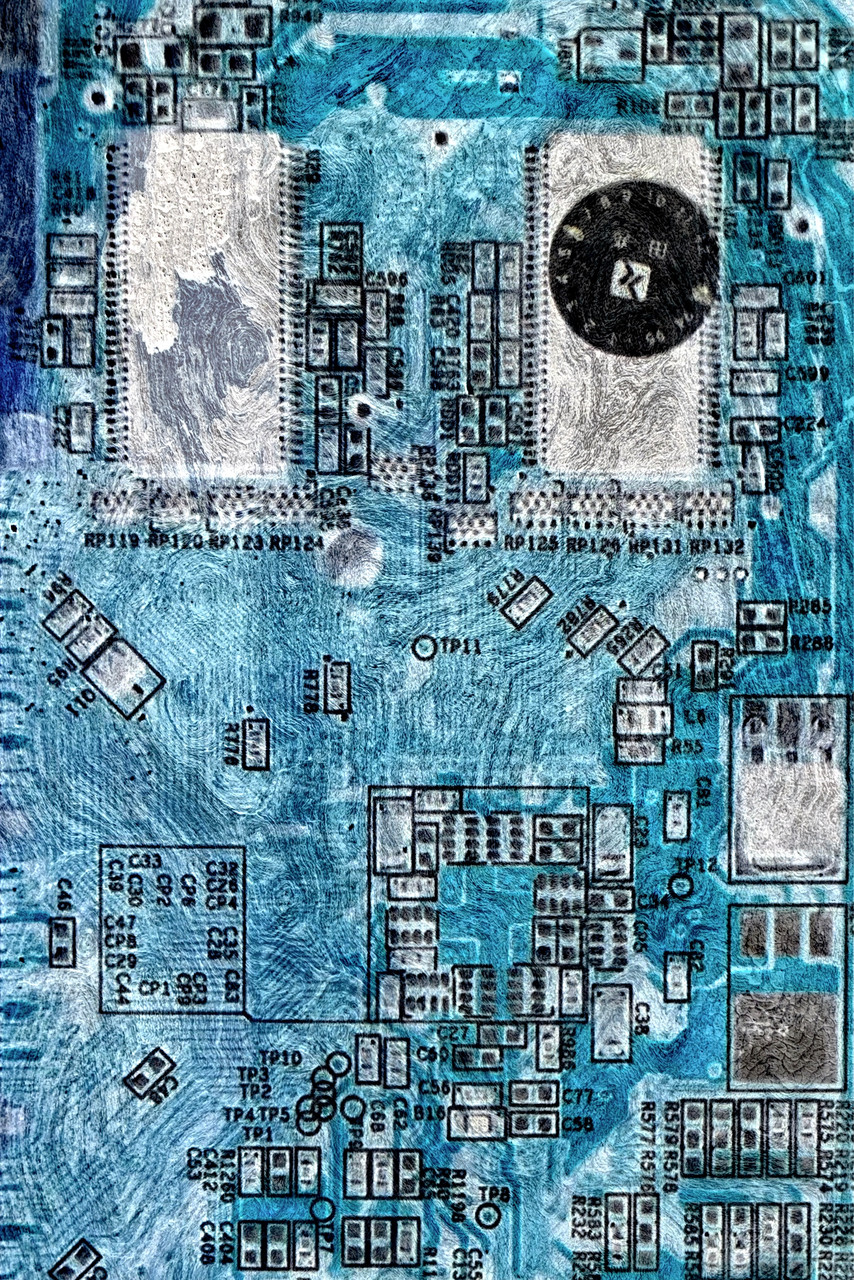
Be No.36 (2026)
An old graphics card at a recycling yard (2026.6)
Back in college, I was once hooked on a type of game called MUD, which was probably one of the earliest forms of online gaming. It had no images or animations at all, just line after line of text appearing in a terminal, leaving players to use their imagination as they embarked on a journey of fighting monsters and leveling up. Sounds boring, right? Strangely enough, it really was captivating. Maybe what makes a game addictive isn’t flashy visual effects, but the endless cycle of fighting monsters and leveling up.
A tree with a treehouse built in it (2026.7)
I visited an exhibition in Taitung about several young people who had chosen to settle there, showing how they work and live and a way of life different from that of the city. It made me start dreaming again about taking a laptop with me, settling somewhere in eastern Taiwan, and living at a slower pace for a while. The only thing is, would having that laptop around just make everything speed up again? I’m really not sure.
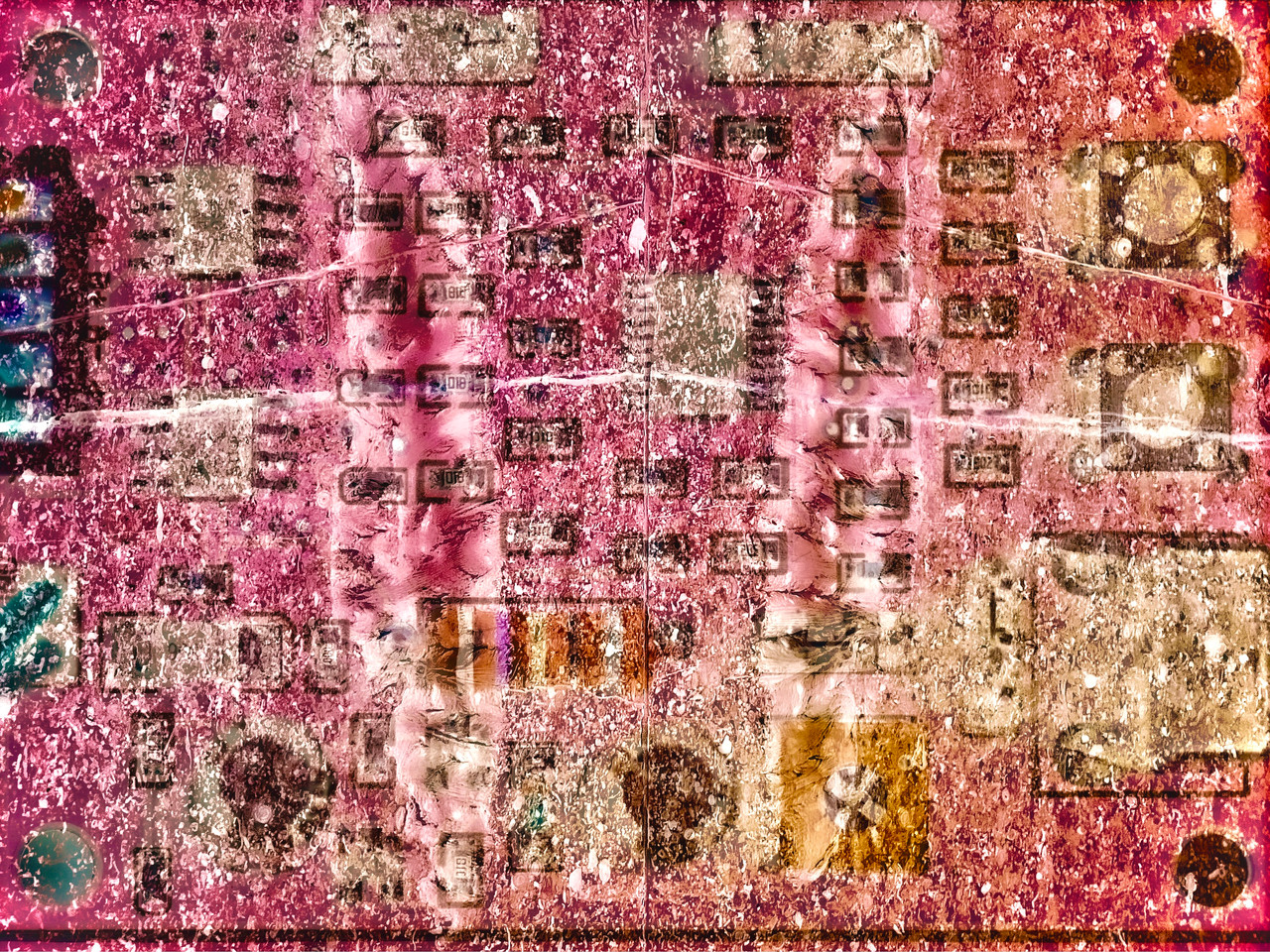
Be No.35 (2026)
The stepper motor controller board my father gave my son (2026.2)
My son was fascinated by the wires and components my father used for his DIY projects, so I began exploring some basic circuits with him. Before long, he had mastered the art of “soldering by mouth”: giving instructions while my father soldered the components onto the circuit board one by one.
A stone wall containing shell fossils (2024.10)
There are now plenty of fossil excavation kits that let children use special tools to dig fossil replicas out of plaster. The excavation takes quite a while, though, and once a child runs out of patience, the parents often end up as involuntary volunteers on the excavation team.
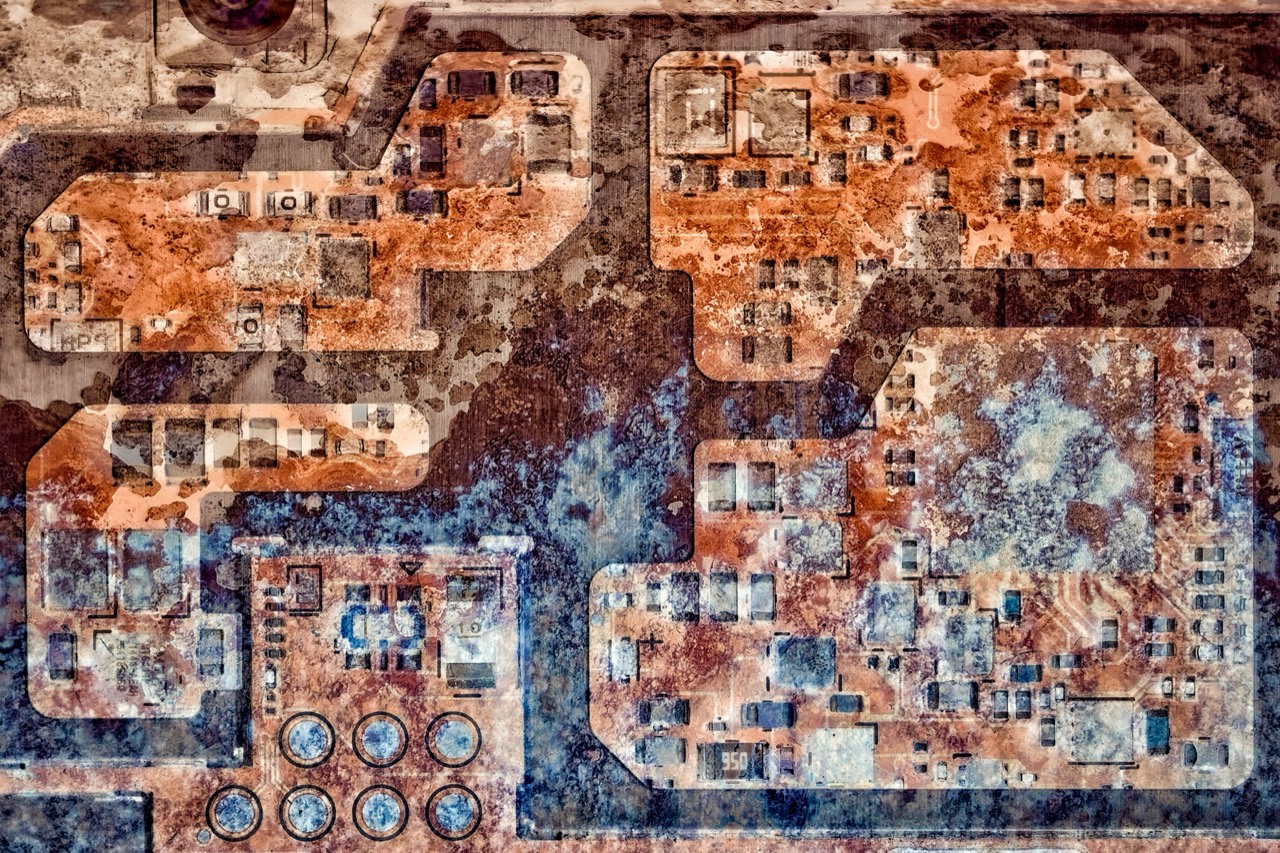
Be No.34 (2026)
The motherboard from a test phone (2026.2)
Ever since I started working, whenever I managed to save a little money, I would put it toward opening a shop, starting a company, recording an album, or some other project with friends. Most of that money never came back. I can no longer tell which is harder: starting a business or holding on to money.
Rust on an iron railing (2026.5)
It really is hard to find a seaside café where I can sit, look out at the sea, and work. If I had the money, I would love to open one myself.
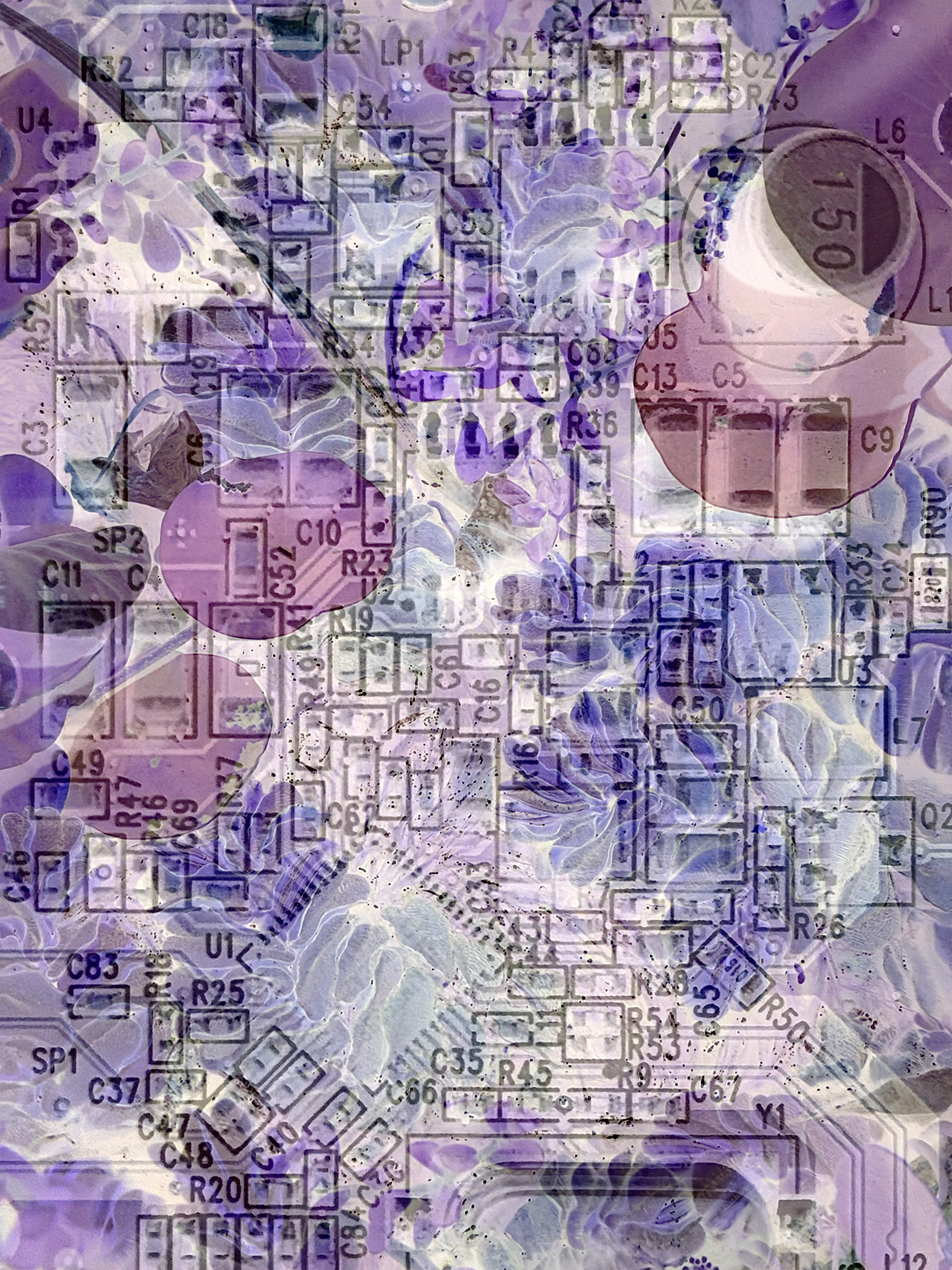
Be No.33 (2026)
The circuit board in an external hard drive enclosure (2021.11)
A hard drive is a strange thing. The data inside keeps growing, yet the exterior shows no change at all — as if those several terabytes of files have no weight whatsoever.
The large water tank at the entrance of a shop (2026.3)
Every time I see large fish in a water tank, I think that if I had to live in such a confined space, I would probably go mad very quickly. In a situation like that, I wonder if losing one’s mind might be better than staying sane. Or maybe it is better not to know.
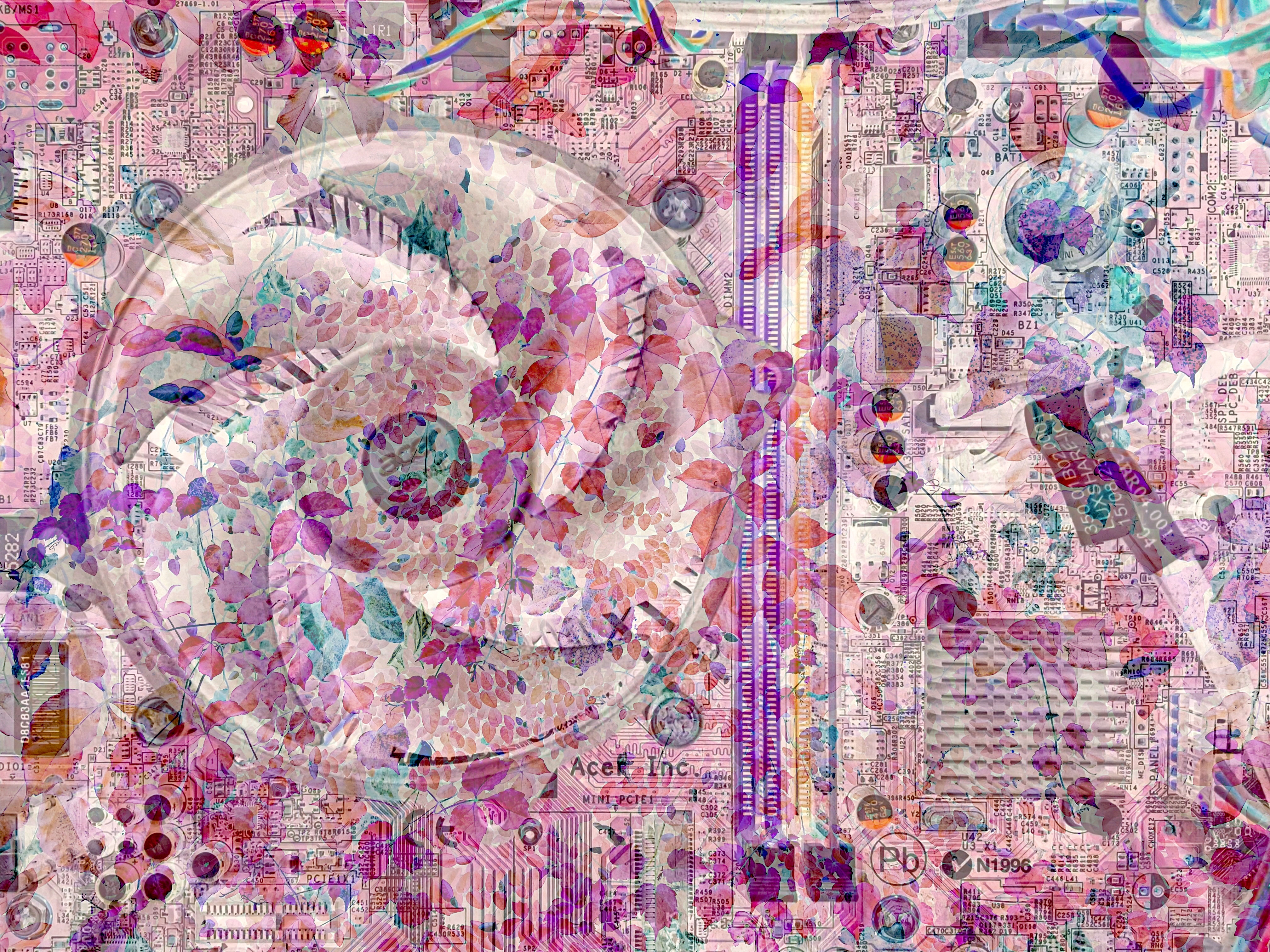
Be No.32 (2026)
The motherboard in my colleague’s desktop computer (2023.2)
I have always yearned for a life of roaming the world with only a laptop. Even though that way of living still has not fully become possible for me, I keep looking forward to it.
The fence beside a gas station (2024.9)
Even when gas station reward points are valid for two years, I still somehow leave them unused until they expire. Are things with longer expiration dates actually easier to leave until they expire?
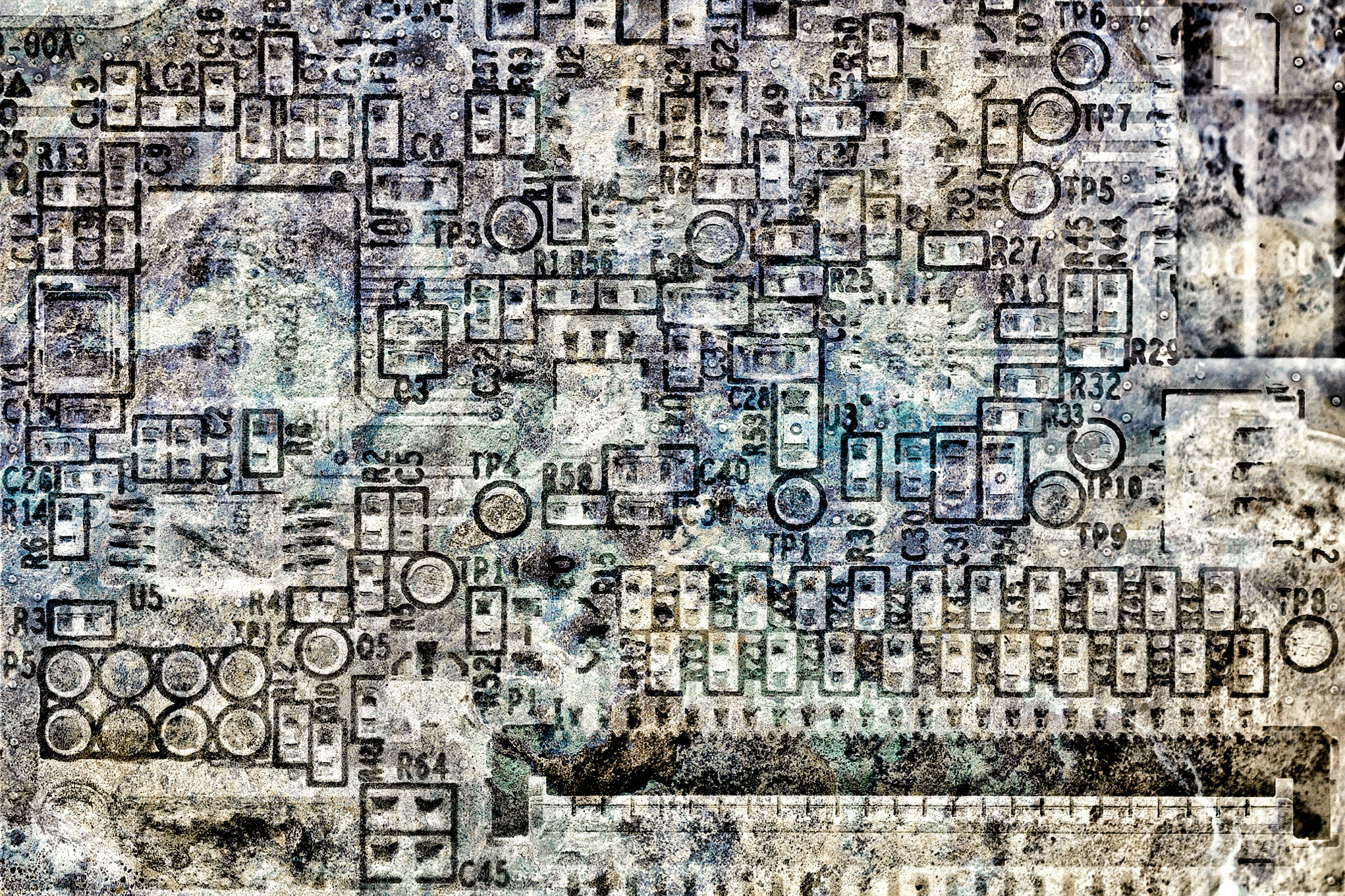
Be No.31 (2025)
The circuit board in a broken Bluetooth keyboard (2025.2)
“With this Bluetooth keyboard, I can write code without bringing my computer out.” That was what I thought at first. But the phone screen turned out to be far too small for that, so I kept wanting to buy a tablet. After several years, I finally got one — but by then, the keyboard had broken. “Should I buy a new keyboard?” Another half year passed.
The stone tiles in the park (2024.10)
One of my son’s good friends gave him a Takasago stag beetle. Adults of this species usually live for about three or four months, but ours held on impressively for more than six. And yet, over those same six months, we also went through the passing of two family members. There is perhaps no clearer reminder of the impermanence of life.
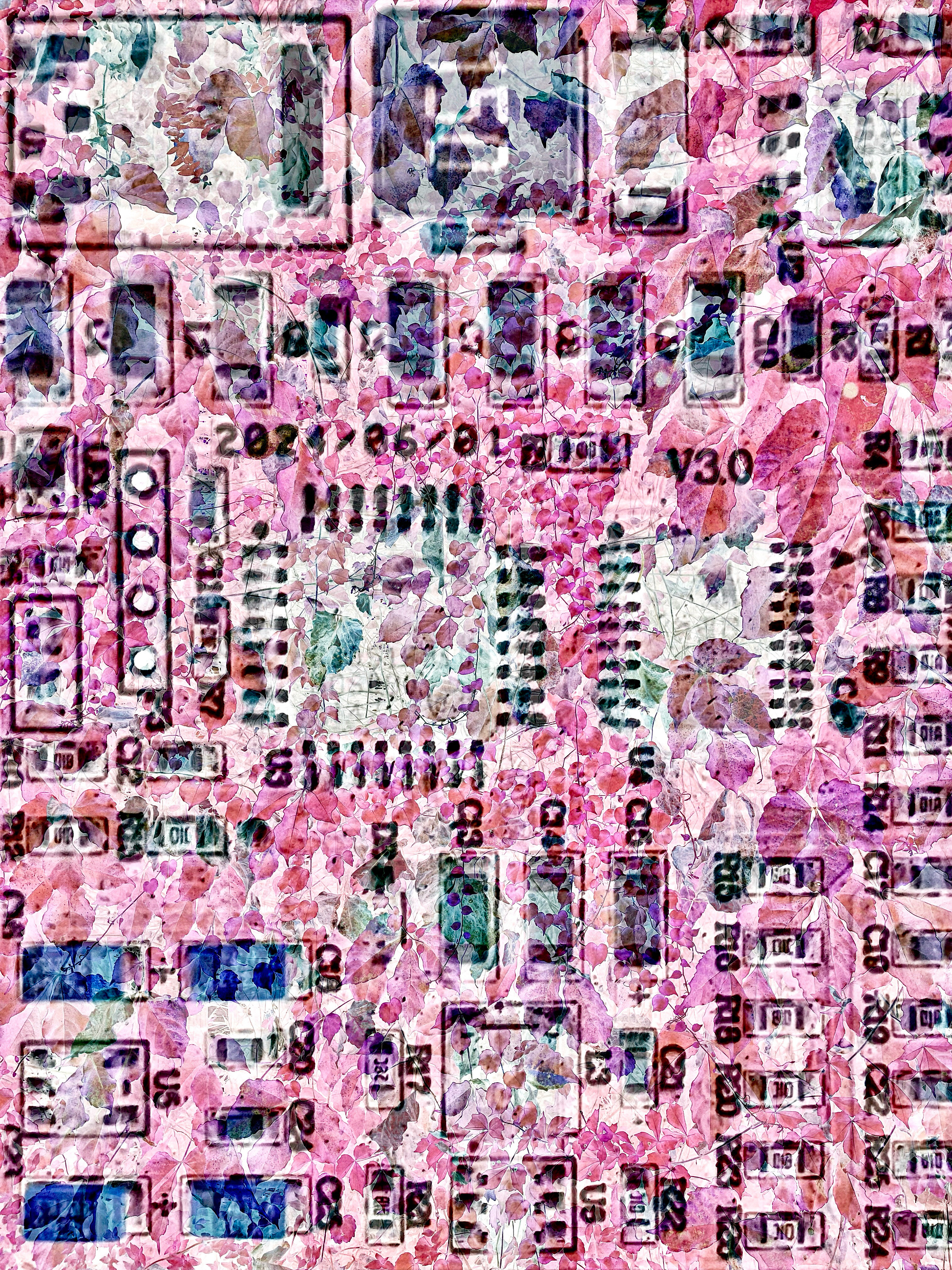
Be No.30 (2025)
The circuit board in a remote-controlled car at Taipei Children’s Amusement Park (2025.4)
My strongest memory of children’s amusement parks is the flying swing ride that you had to be at least 120 cm tall to ride. I was especially short as a child, so every time we went, I could only watch my sister ride it. I suppose I must have been happy the first time I was finally tall enough. In truth, I no longer remember. But the feeling of wanting something and not being able to have it can begin in childhood and stay with you for a lifetime.
The fence outside a bar (2024.9)
Because of our child, my wife and I have not been able to go out for a proper drink together for years. I wonder how old he will have to be before this extravagant little wish can finally come true.
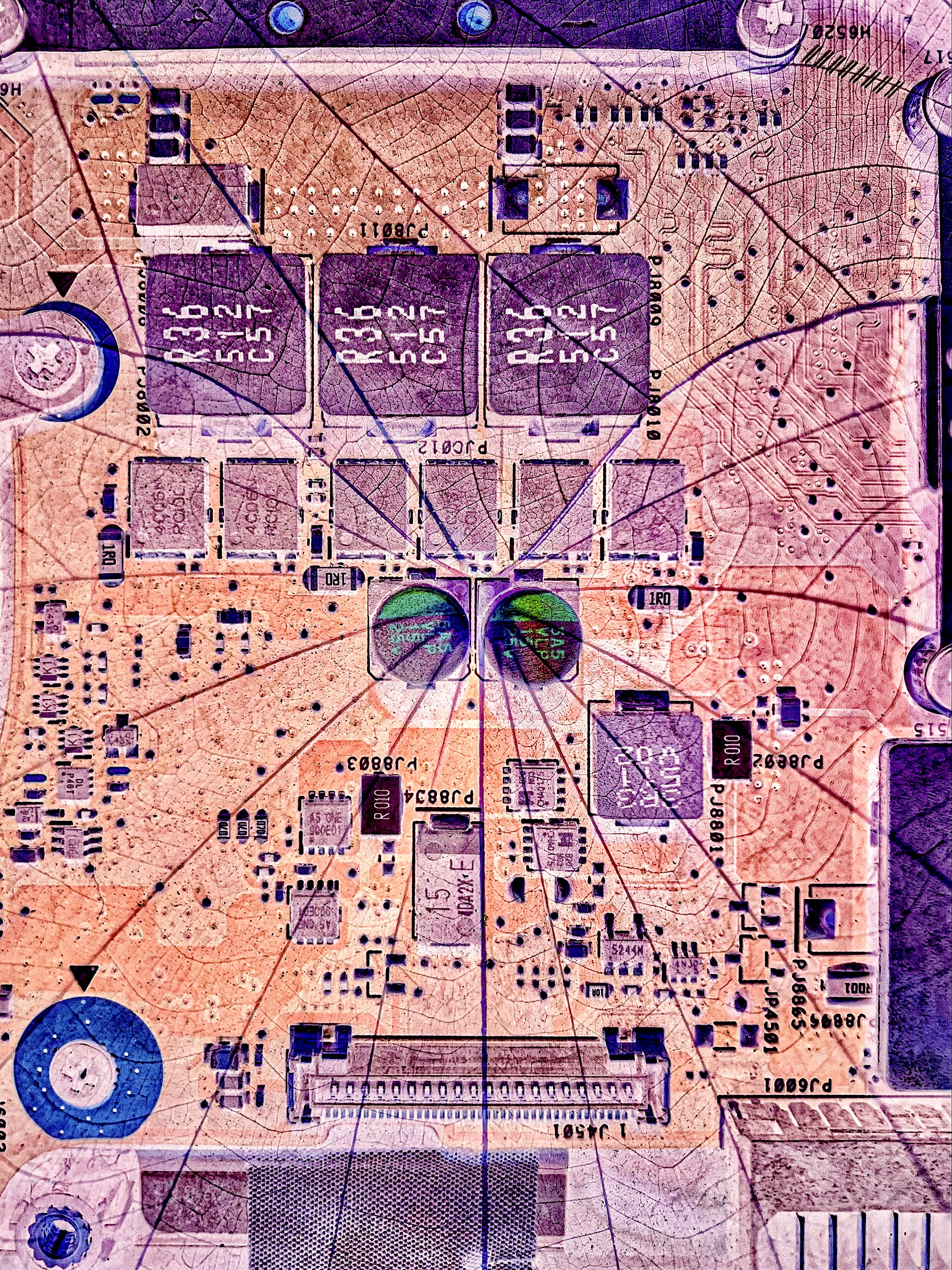
Be No.29 (2024)
A Hong Kong Orchid Tree outside the Science Education Center (2024.10)
I always want to know how to tell an Purple Camel's Foot apart from a Hong Kong orchid tree, yet I can never seem to remember. Knowledge, it seems, also depends on a certain kind of affinity. If the affinity is not there, perhaps there is no need to force it.
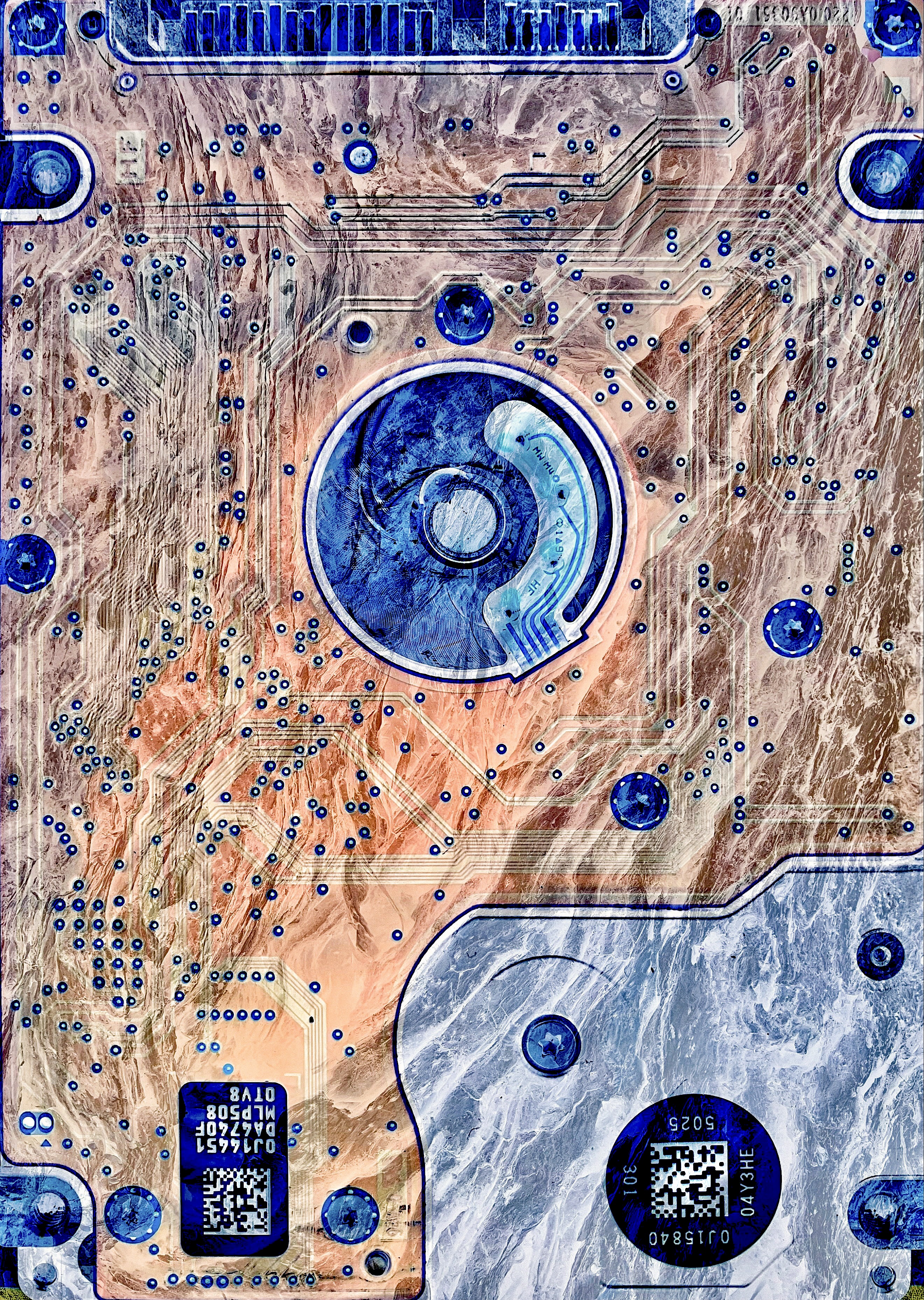
The motherboard in my wife’s broken laptop (2024.9)
No one buries a broken computer. But if humanoid robots become common in the future, with one in every home, might funeral services for humanoid robots become a new industry?
Be No.28 (2024)
The bark of a paperbark tree (2024.9)
The paperbark tree is a well-adapted non-native species, but against the merciless strangling of the equally non-native large-leaved banyan, it seems completely defenseless. The ways things coexist and overcome one another in nature are truly hard to predict.
The hard drive in an old laptop (2024.9)
My wife used her laptop until it finally broke down, but she still had work to finish, so she went straight to a store and bought a new one. Just like that, the old laptop was replaced. As for what to do with it, we still have not figured that out.
Be No.27 (2024)
A tree on my commute (2024.9)
I like traveling between two places by different routes and different modes of transportation, because each one lets me encounter different scenery. But once all possible routes have been “used up,” and it becomes difficult to find any surprise along the way, does that mean it is time to change one of the destinations?
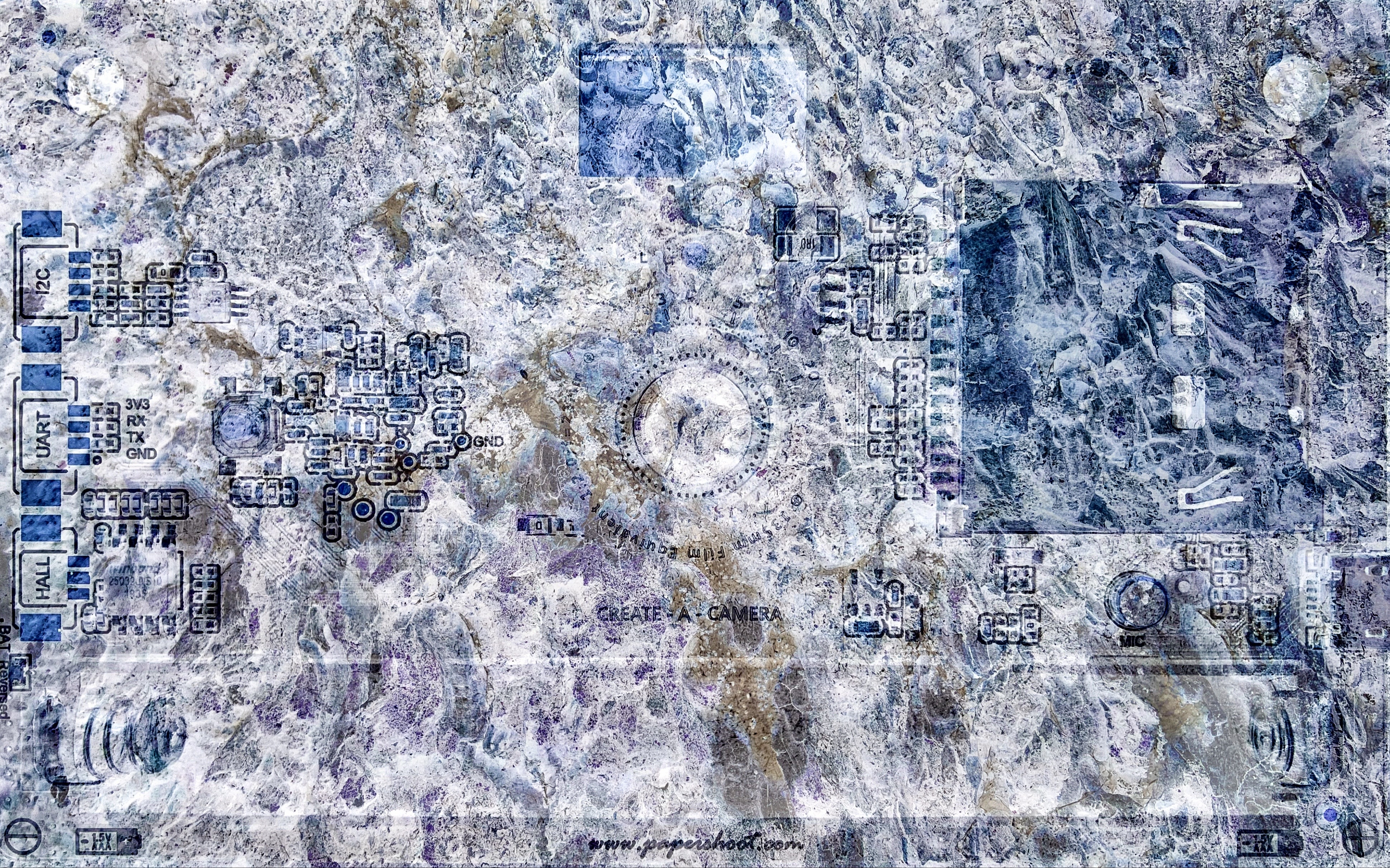
A Paper Shoot camera displayed in a museum shop (2024.7)
The weakness of photographers is that whenever we see an unusual camera, we immediately want to pull out our wallets. But with so many cameras in the world, do we really need them all? How much of it is simply about satisfying a collecting habit?
Be No.26 (2024)
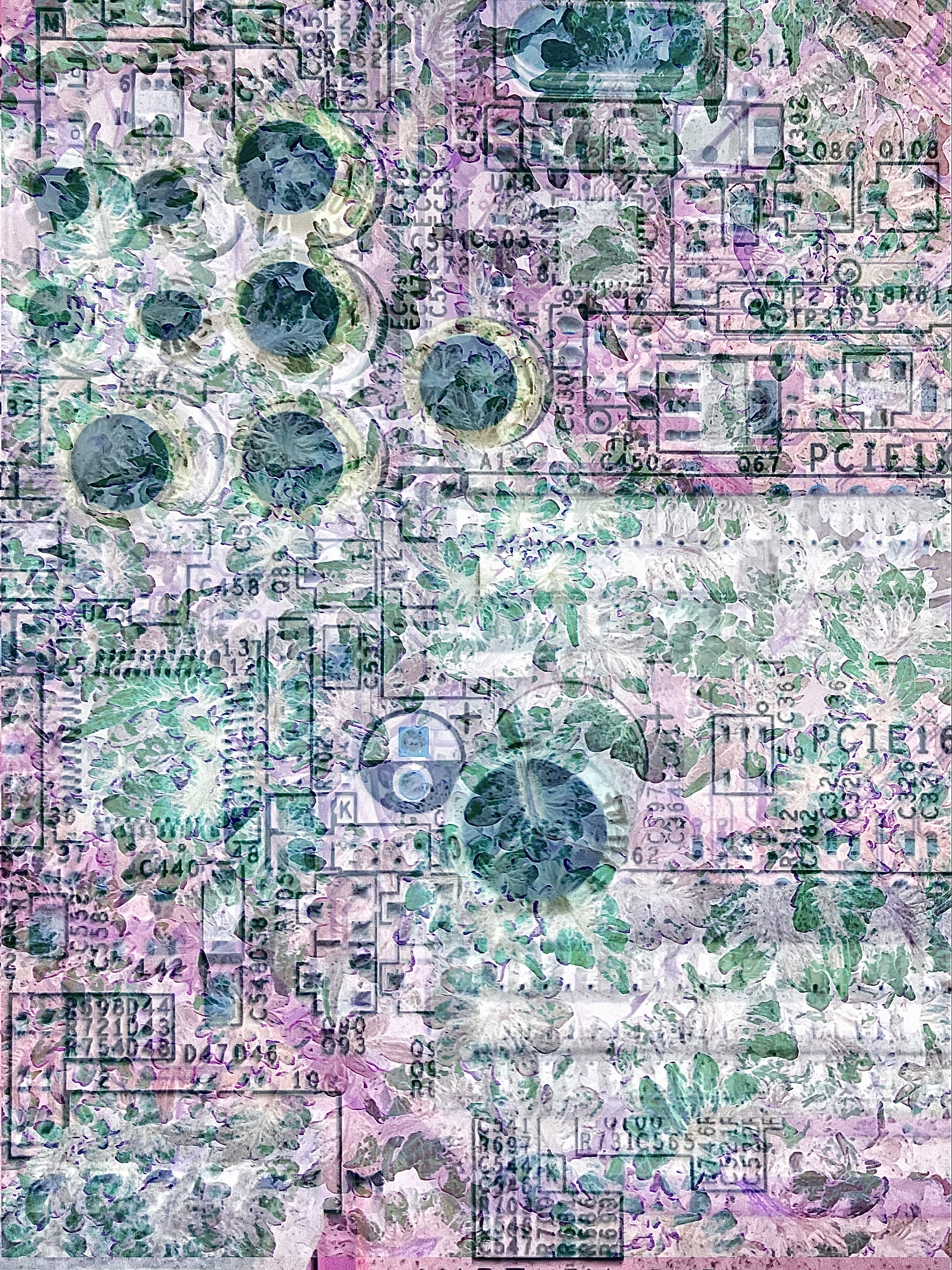
Garden plants encountered in an alley (2024.9)
I often have the urge to walk through every alley at least once. I suppose this is also a kind of collecting habit. The only difference is that this collection has no physical form; it can only take place inside my extremely forgetful brain.
The motherboard in my colleague’s desktop computer (2023.2)
I once overheard someone on the MRT discussing whether hardware or software is more important. One person said, “Without software, how could hardware even run?” But what I was thinking was, “Without hardware, where would the software be stored?”
Be No.25 (2024)
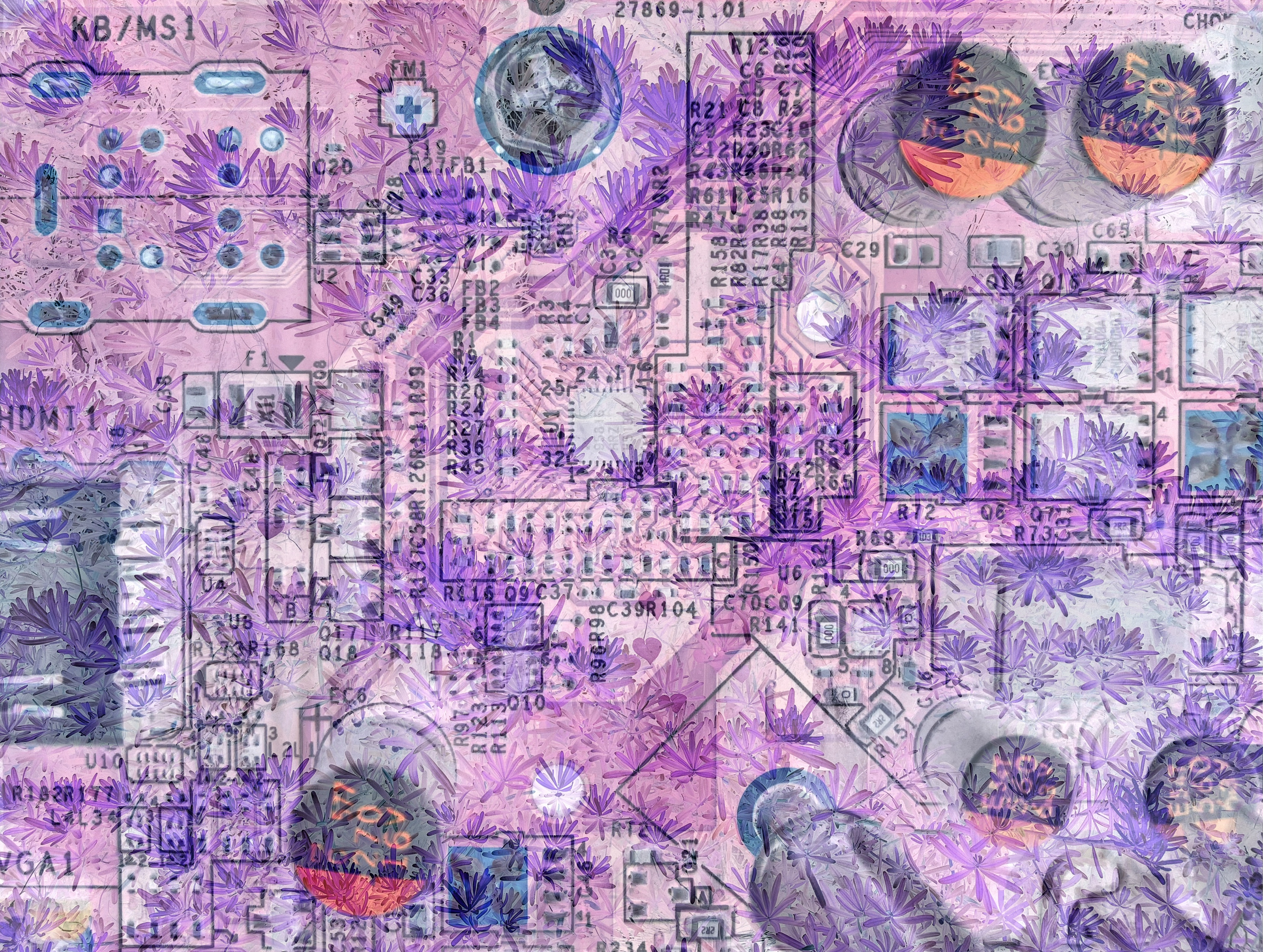
The motherboard in my colleague’s desktop computer (2023.2)
One summer during junior high school, I went to a computer company run by one of my father’s friends to learn and help assemble computers. Even so, to me at the time, a computer was still only a tool for playing video games. Its status did not rise because of that experience.
The green wall at Taipei Expo Park (2024.8)
The year I graduated from junior high school, some classmates who were obsessed with Mayday recruited me, because I could play guitar, to form an original band. Unexpectedly, that band became one of the major focuses of my student life. Looking back, it would probably not be an exaggeration to say that Mayday changed the trajectory of my life.
Chapter II
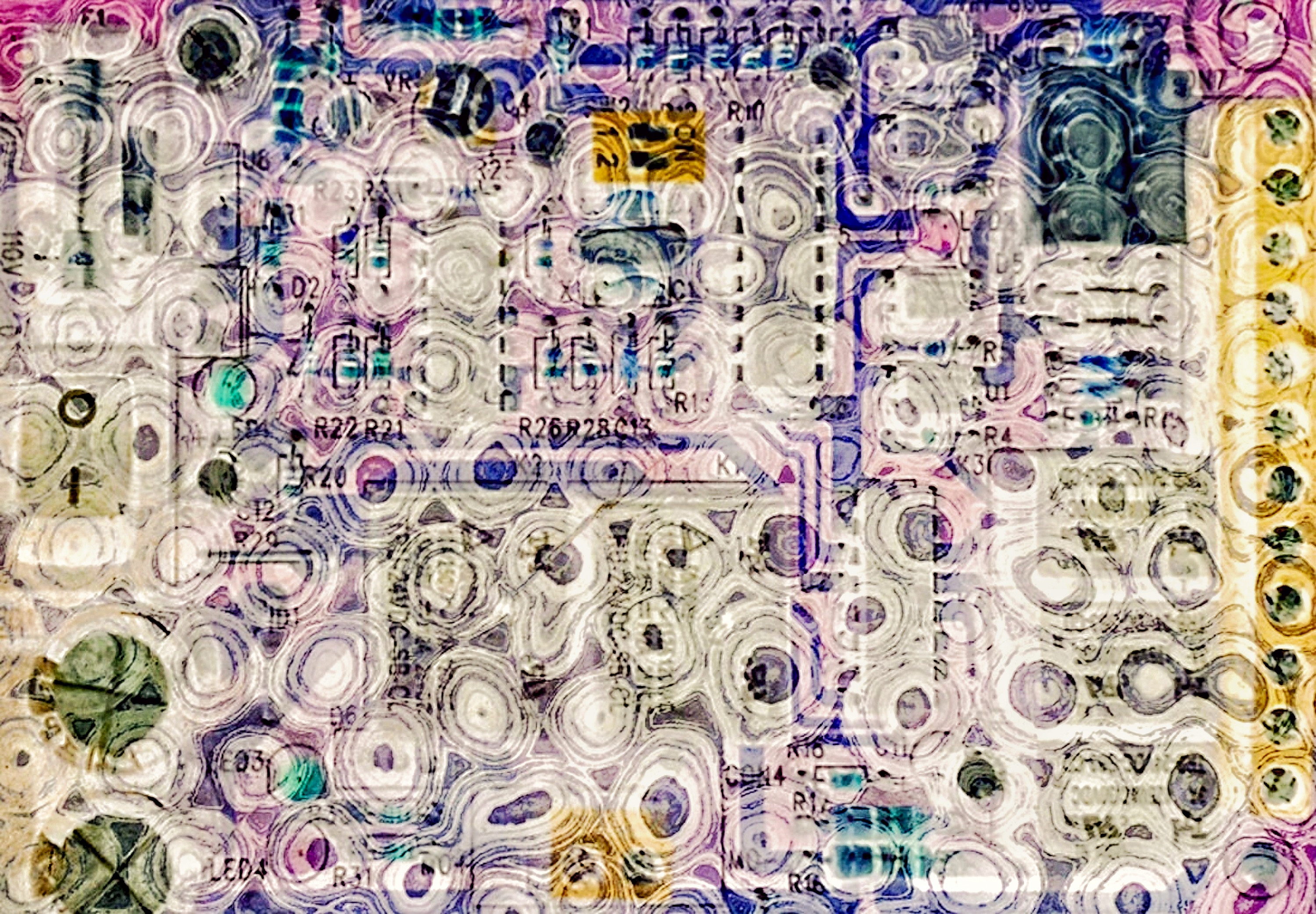
Be No.24 (2024)
The stromatolite, the oldest known fossil form, displayed in the museum (2024.1)
Seeing a stromatolite in person at the museum gave me a strange, inexplicable excitement. But I think that if I had not previously read a paleontology picture book with my child, I probably would have thought, “Isn’t this just a rock with patterns on it?”
The circuit board from the broken roller door in our apartment complex (2022.8)
A roller door has only three simple functions: roll all the way up, close all the way down, and stop. And yet the components on its circuit board are already complex enough to be incomprehensible. The world, in a way, is no different.
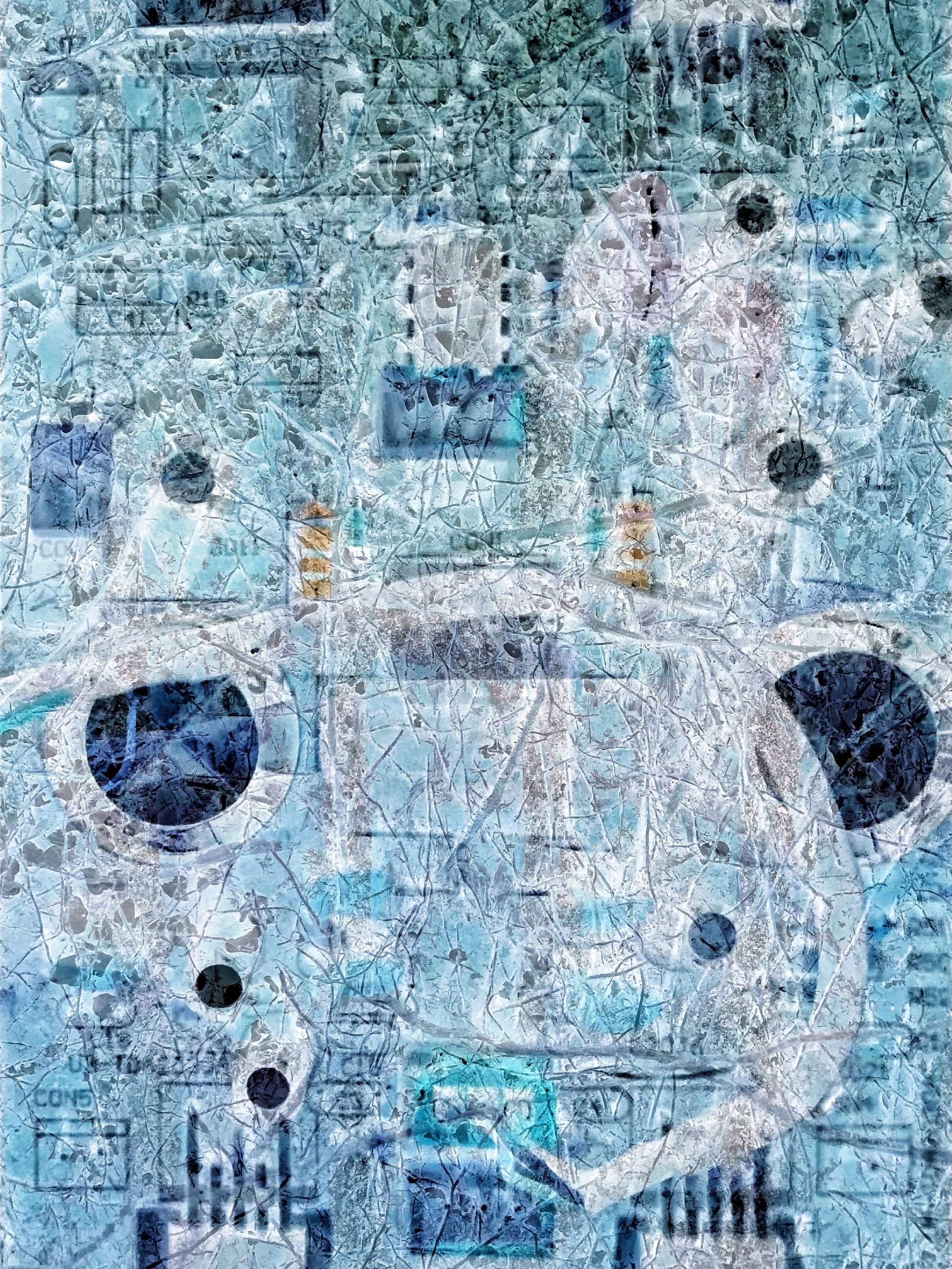
Be No.23 (2023)
The vines on the wall of the Coal Mine Museum (2022.1)
On that rainy weekend, I took my son to the Pingxi Coal Mine Museum to ride the little train. The damp air of the mine shaft still seems to linger at the tip of my nose. It should have been a happy memory, yet for some reason it carries a faint melancholy I cannot quite explain. Perhaps the answer is sealed somewhere inside the memory itself. It is just that no one has permission to access it.
The circuit board of an amplifier displayed at the Science Education Center (2022.2)
I am a sentimental person. As far as I can remember, I have never sold any of my effects pedals, amplifiers, or other equipment, let alone an instrument itself. But now that I think about it, several things were left behind in my university club room and never retrieved — including an electric bass.
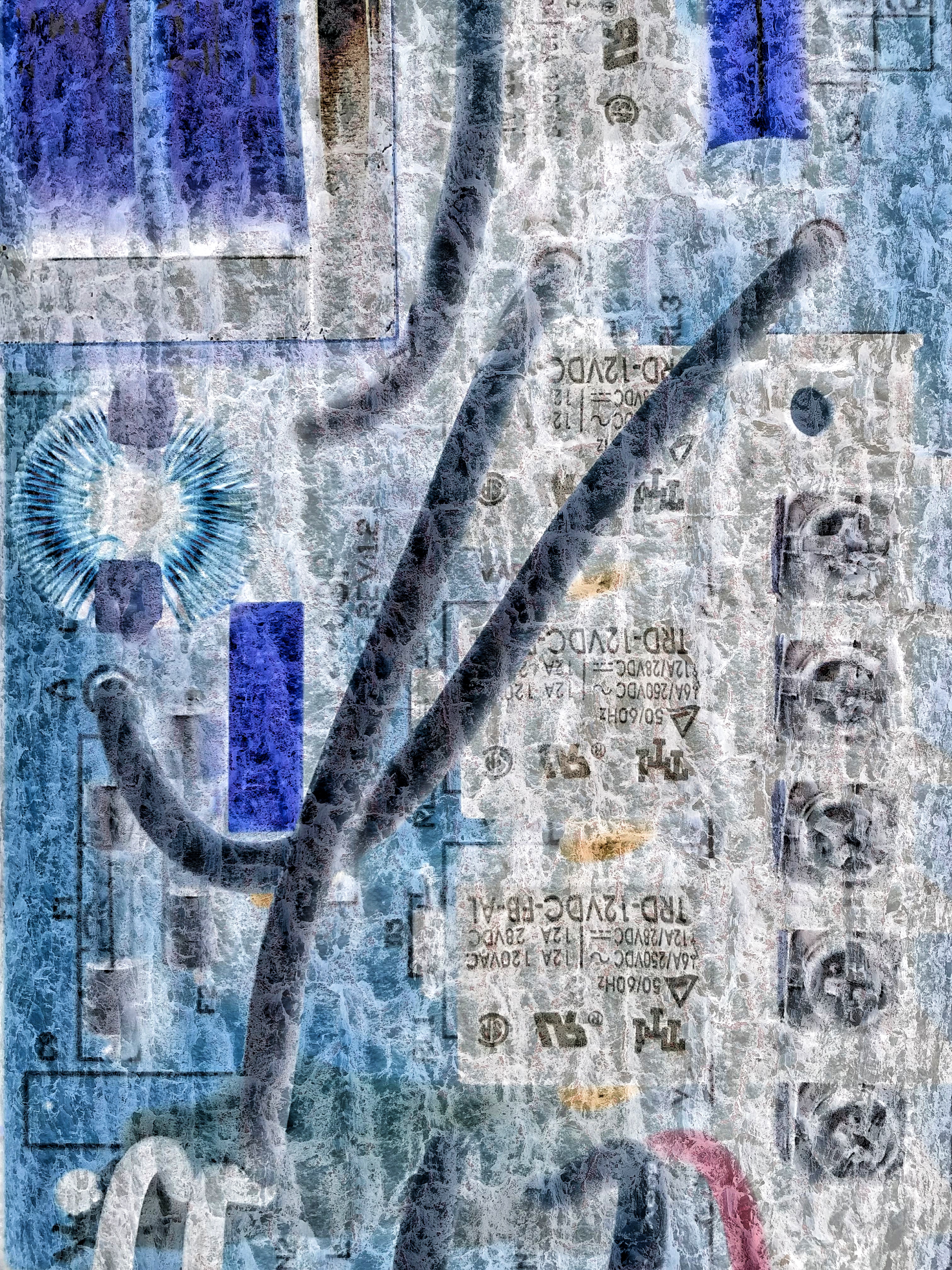
Be No.22 (2023)
A tree in the park near my parents’ home (2021.10)
When I was young, the street outside our house would transform into a night market every weekend, so our whole family often went there together. Although I no longer know when the night market stopped appearing, going to the night market has remained one of my happy childhood memories.
The circuit board in a broken bathroom heater (2021.12)
This bathroom ventilation unit lasted more than ten years before it broke. What surprised me was that the new one my landlord bought had exactly the same length and width as the old one, so it could be installed directly without any extra work. I wonder whether maintaining the same dimensions all these years came from foresight, a certain kind of stubbornness, or simply laziness about redesigning it.
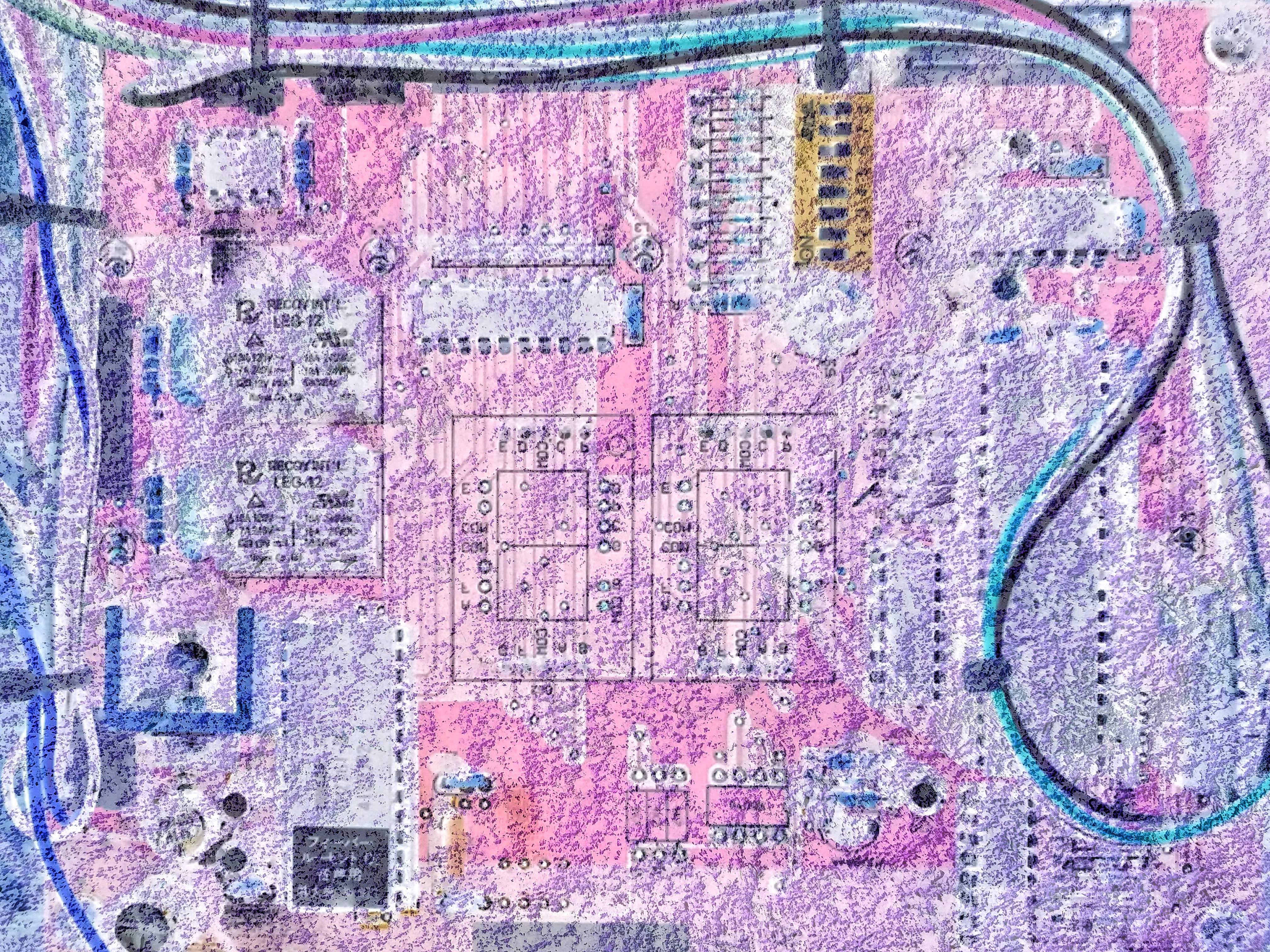
Be No.21 (2023)
The moss on a rock in a stream (2021.10)
I went on a riverside picnic with my son and some friends from the band scene. My son had a pretty good time, but no matter what, he refused to take off his shoes and step barefoot into the water. Everyone has things they do not like, so we did not force him.
The circuit board in a pinball machine at a department store (2023)
I loved playing pinball as a child and often secretly used the change left over from buying bread to play. My mother actually knew, but she never exposed me. Every now and then she would deliberately ask why I had been gone so long, and I would answer, “Traffic jam.”
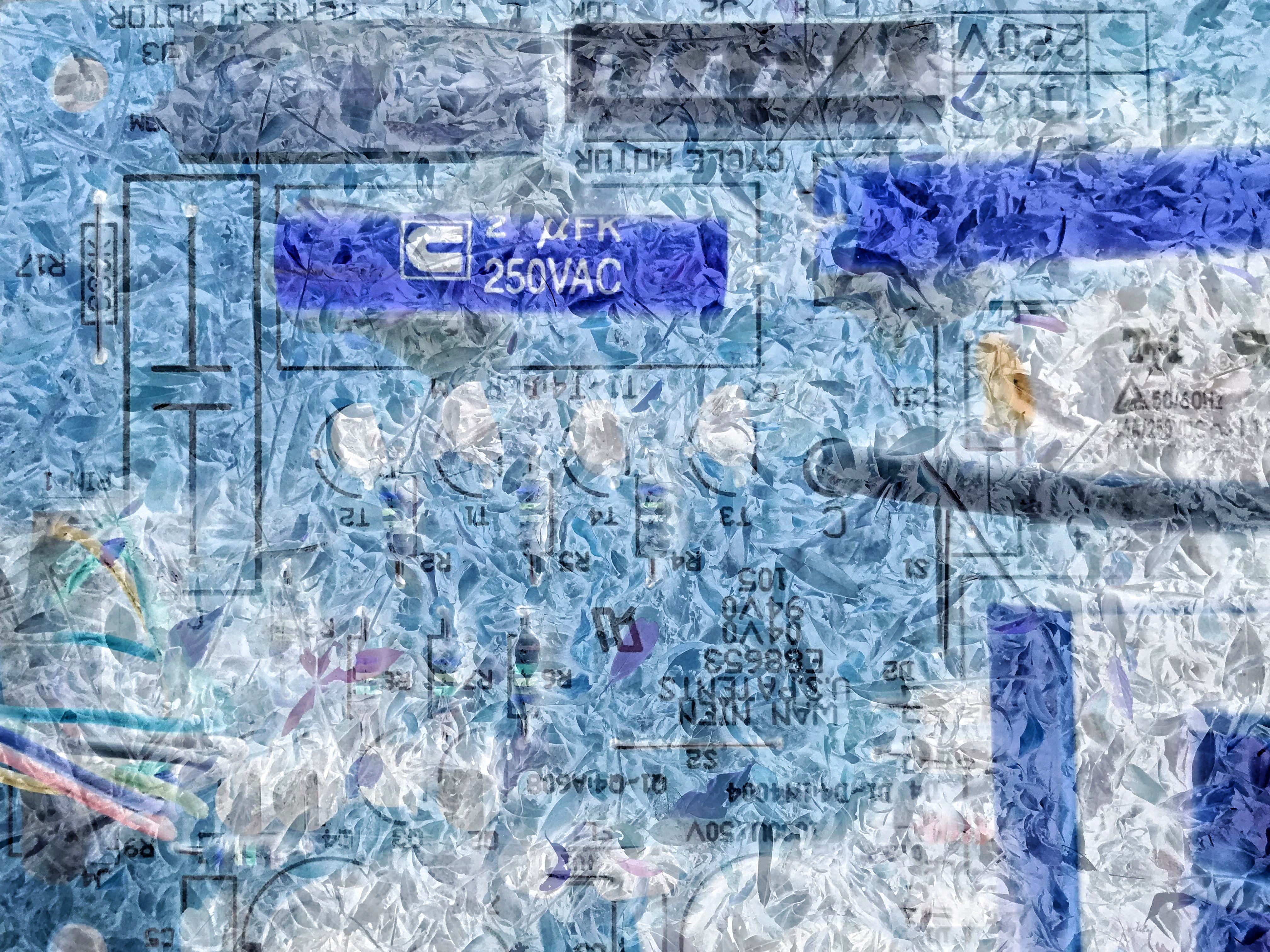
Be No.20 (2021)
Fallen leaves on a hiking trail (2021.10)
I took my son, who was not yet three years old, and randomly walked into a hiking trail with him. We walked a very, very long way. Although I carried him for quite a bit of it, I was very happy that he could walk so far on his own.
The circuit board in a broken bathroom heater (2021.12)
My landlord is much older than I am and is very capable when it comes to home repairs. So is my father. People from that generation seem to have been able to handle most of these things themselves. People from our generation either rely on our fathers or call in a professional.
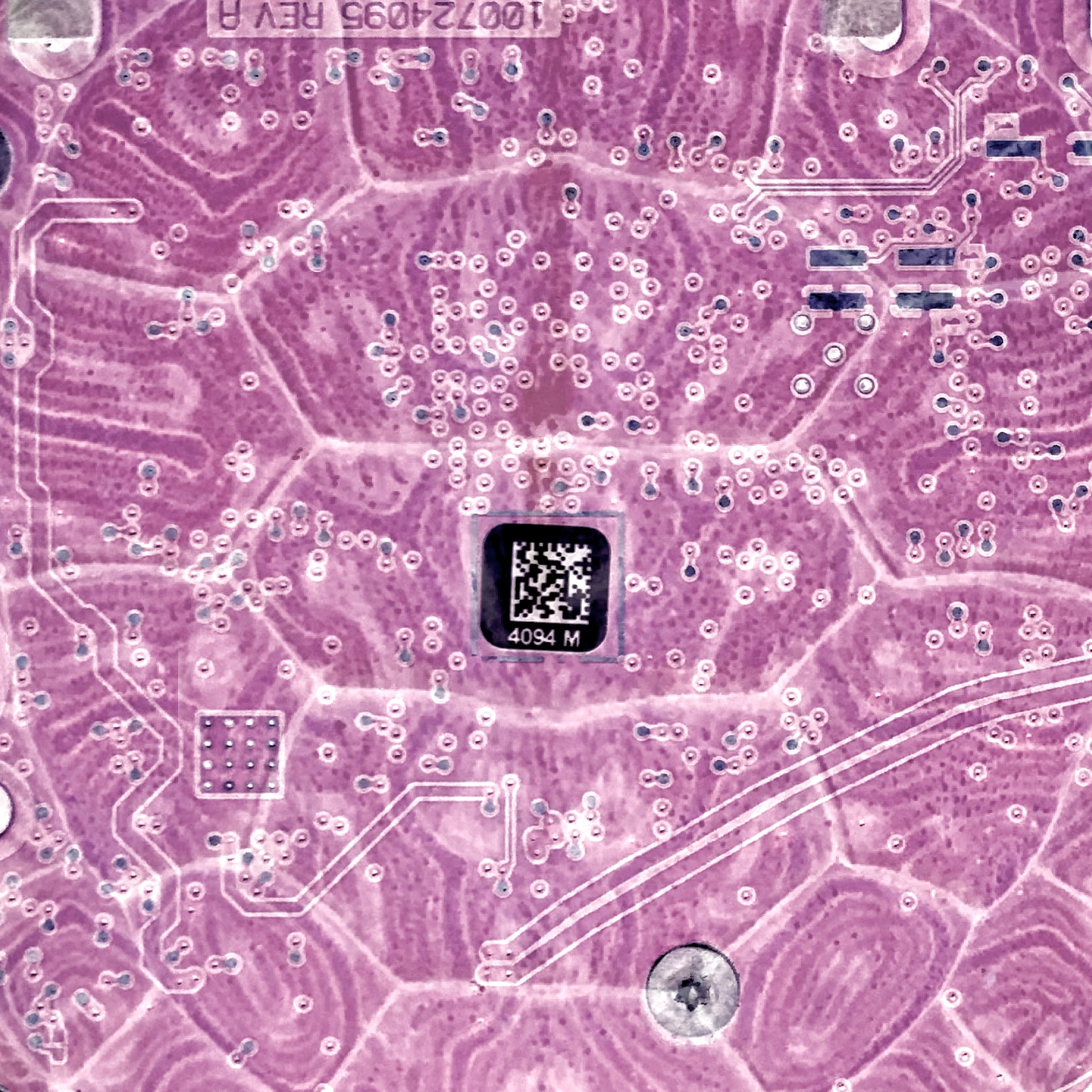
Be No.19 (2021)
The shell of a turtle kept at a restaurant (2021.10)
There is a small pond by the entrance of the restaurant with a few turtles in it. If a customer’s child gets restless, they can come to the entrance and watch the turtles, and they can keep watching for a long time. I am curious whether the owner did this because of that benefit, or whether they simply never thought about it that much.
My wife’s old hard drive (2021.1)
Old hard drives are troublesome things. Even after everything inside has already been moved out, you still cannot quite bring yourself to throw them away. And so, every time we move, the bundle of old hardware and cables grows larger. Neither of us has learned the art of letting go.
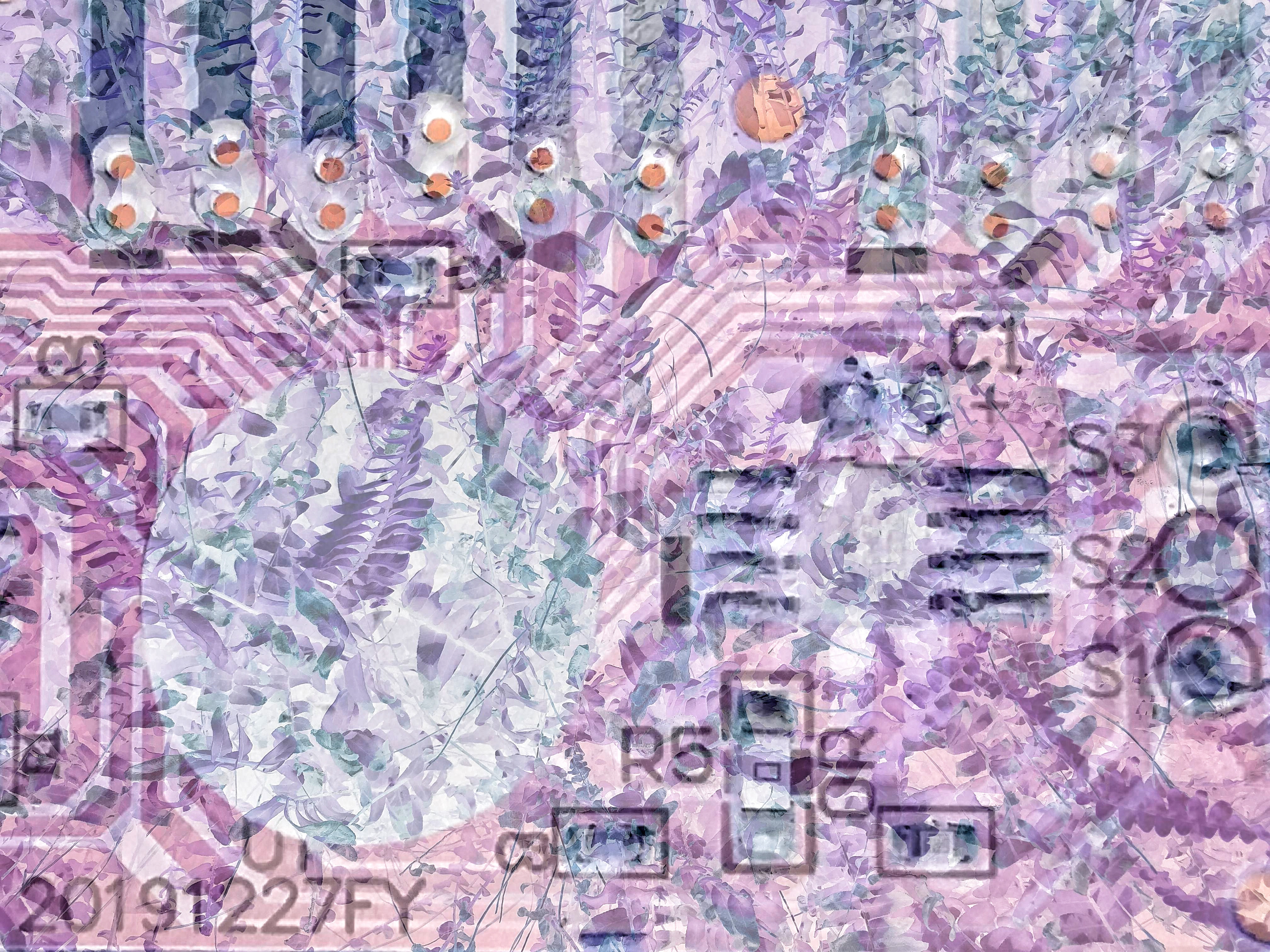
Be No.18 (2021)
The green plants on the exterior wall of a construction site (2021.9)
Whenever my son passes a construction site, he becomes very curious about the heavy machinery inside and can stare at it for a long time. In order to explain those things to him, I ended up learning quite a lot of related knowledge myself. I just wonder how much of it he can actually remember.
The circuit board in a toy tablet (2021.10)
Every time my son gets in the car, he starts playing with this toy that makes the sounds of different vehicles, and he quickly learned to recognize all kinds of transportation. But does learning these things earlier in life help a child? I suppose it probably does.
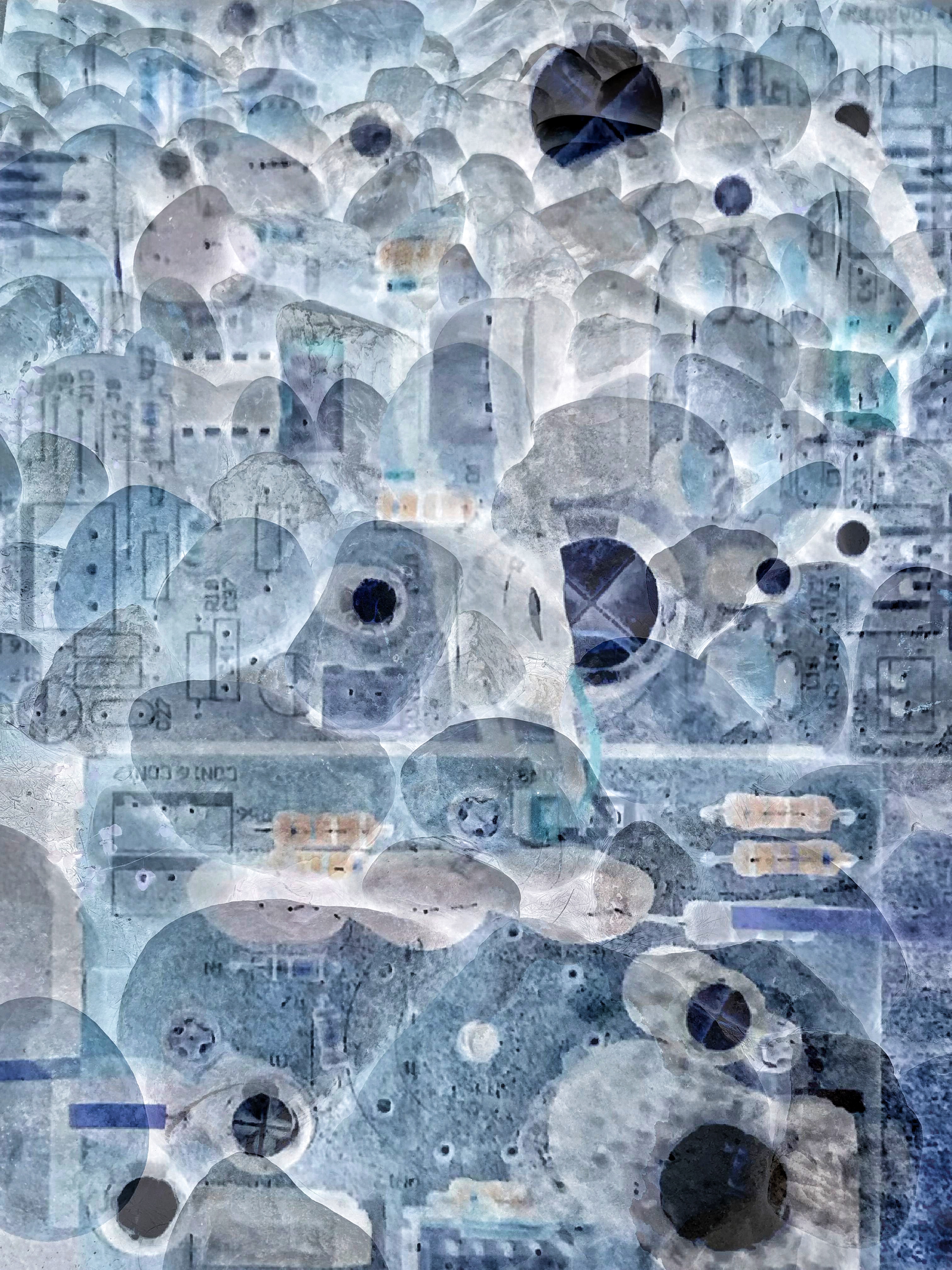
Be No.17 (2021)
The stones by the sea dike (2021.4)
Yunlin’s Kouhu is a place filled with fish farms. But because of years of excessive groundwater pumping, land subsidence has led to seawater flooding in. I had only heard about seawater intrusion at school before. It was not until I came here to visit a friend and saw a roadside grave nearly submerged by water that I finally felt as if I had experienced it firsthand.
The amplifier circuit board exhibit in the museum (2021.3)
In university, I found a boost circuit diagram online and built an effects pedal myself, even writing “Turtle Boost” on the plastic casing. But I was really just following the diagram and assembling the circuit. After finishing it, I still knew nothing about electronic circuits.
Be No.16 (2021)
The dried honeycomb in a dorayaki shop (2021.5)
My childhood home was near the mountains, and once, a paper wasp built a nest outside my bedroom window. At the time, I did not know that paper wasps are gentle and different from hornets, so I quickly got rid of the nest. I hope it found a new home.
The circuit board in a cassette radio displayed at the museum (2021.3)
Compared with dinosaur fossils hundreds of millions of years old, a radio can become a museum exhibit after only a few decades. I wonder whether the radio itself would laugh or cry at that.
Be No.15 (2021)
The sand balls spat out by crabs on the beach (2021.4)
I took my child to the seaside, and he pointed at the little round things on the reef and asked what they were. I looked them up and found out they were barnacles. If I had not had a child, I probably would have gone my whole life without knowing what a barnacle is.
The tape recorder exhibit at the museum (2021.3)
When I was young, my sister bought many Ranma ½ cassette tapes, and I listened along with her. For a few songs I really liked, I would even “translate” the Japanese pronunciation into Mandarin phonetic symbols and Chinese characters so that I could sing along. And after all that singing, I still could not understand Japanese.
Be No.14 (2021)
Expired white rice (2021.6)
My wife always makes sure our son eats good food, and she absolutely never lets a child eat expired food, not even if it is only one day past the date. So every time something expires, I say, “Oh yeah, something good for me to eat again!” But if every expired thing gets eaten by someone anyway, will that make our child fail to appreciate food?
The circuit board artwork at the museum (2021.3)
Although I studied engineering in university, I never learned electronics or circuit theory well. I was still at the level of memorizing formulas to solve exam questions in high school. Unfortunately, time cannot be turned back. I do not know whether I will ever have the chance to start again from the beginning in this lifetime.
Be No.13 (2021)
A paddy field we passed during our round-island trip (2021.5)
During our trip around Taiwan, we stayed at a very nice villa in Miaoli, inside the rural estate of a local family. On the night before we left, the neighbors were having a barbecue outdoors and warmly invited us to join them. It became the most special experience of the entire trip.
The networking cables in the company server room (2021.1)
The server room is the coldest place in the entire company. For someone like me, who is afraid of the cold, I have to put on a jacket just to go in. But for one colleague who is extremely sensitive to heat and has a bad temper, it is a perfect summer retreat, thereby saving the colleague who has to work directly with him.
Chapter I
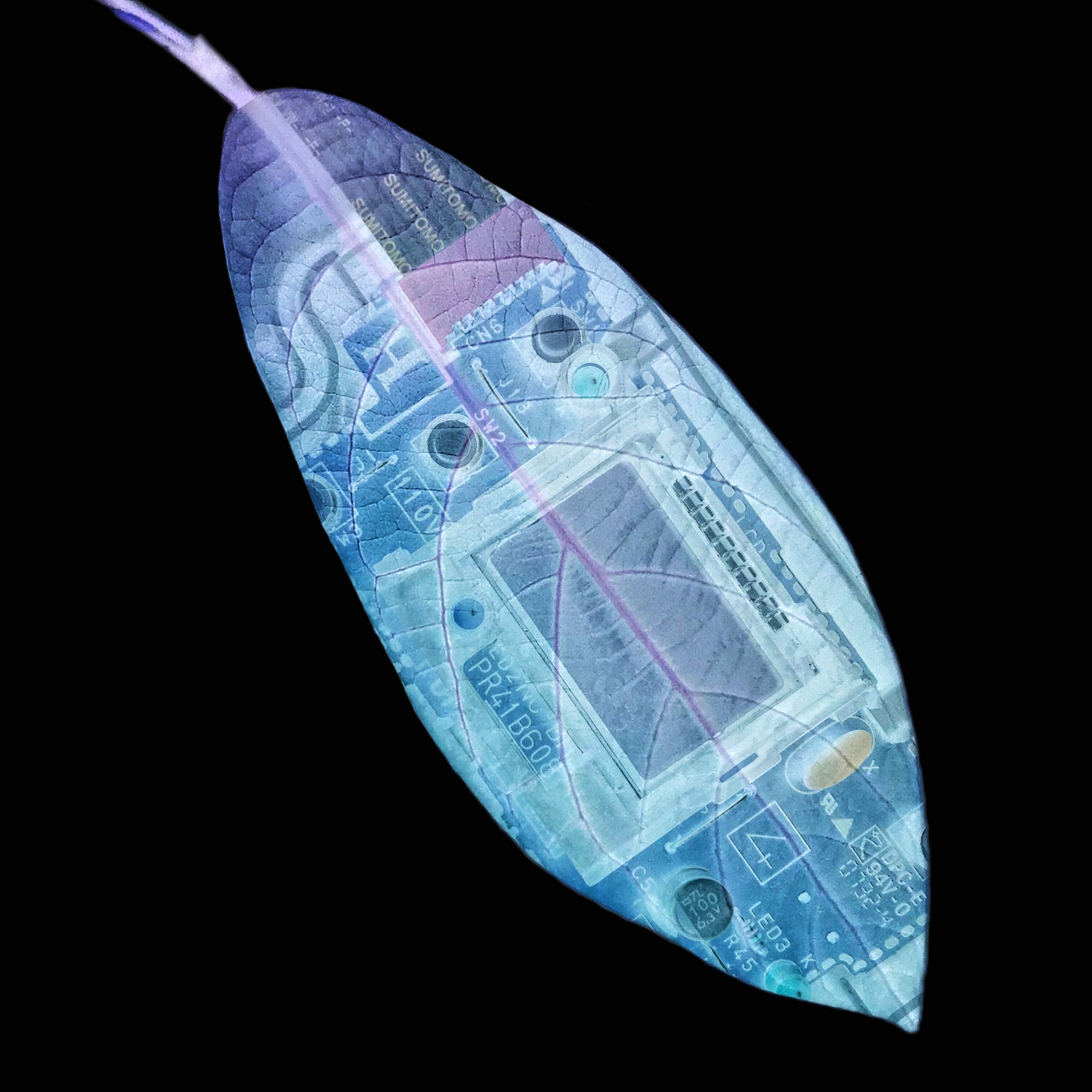
Be No.12 (2021)
An avocado plant in our office (2021.1)
One of my colleagues has family who farm avocados, and every harvest season they send a large box to the company so everyone can make avocado juice. Other coworkers took the leftover seeds and started growing them as office plants. Although the seeds have to soak in water for a long time before they sprout, the success rate is actually quite decent, and now the windowsill is lush with greenery.
The circuit board in a retired electric thermos (2021.9)
Formula for infants is supposed to be mixed with water at 70°C, but not every electric thermos has a 70°C setting. Getting a child to drink “properly” prepared milk turns out to be no small feat. And yet there is always a voice in the back of my mind: no matter what temperature the water is, don’t children still grow up anyway?
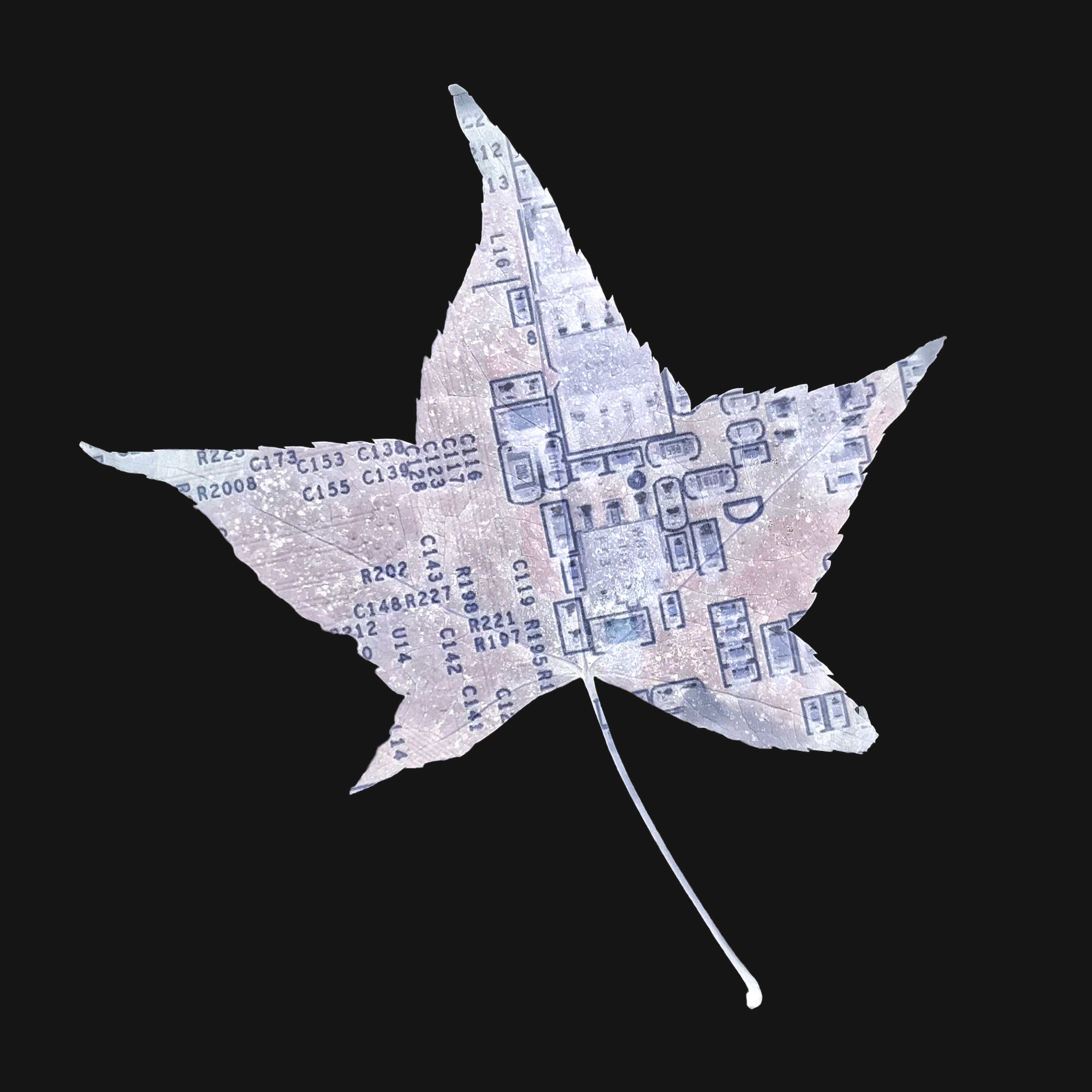
Be No.11 (2021)
A fallen maple leaf in our apartment complex (2021.1)
Our apartment complex has a small gym, but since moving in, I can count on one hand the number of times I have used it. Without some kind of constraint, it really is difficult to maintain the habit of exercising.
The circuit board in the office NAS (2021.1)
Should we use a 2-bay NAS or a 5-bay NAS? Should the server be kept at the office or in the cloud? At work, we are usually expected to explain the reasons behind our trade-offs clearly. But when it comes to personal matters, we often cannot even explain to ourselves why we make the choices we do.
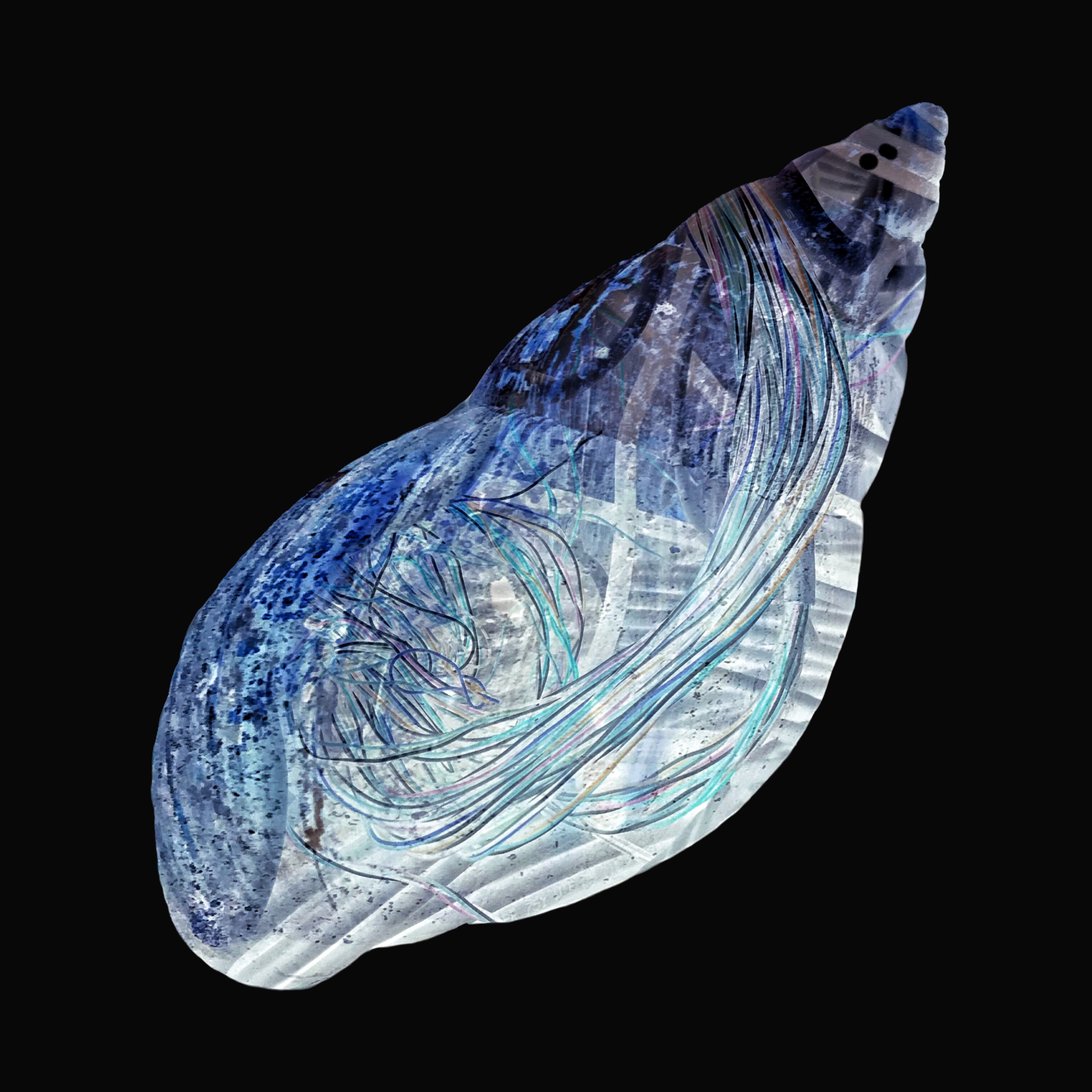
Be No.10 (2021)
A snail shell found in our apartment complex (2020.11)
Children seem to love watching snails, and my son is no exception. I am curious whether, for adults, staring at such a slow-moving animal is a form of healing or a form of torture.
The networking cables in our office (2021.1)
The company server room still has network cabling left behind by the previous tenant. The sheer number of cables is enough to make your scalp tingle. I sincerely admire the person who designed and managed all those lines. They must have possessed extraordinary patience.
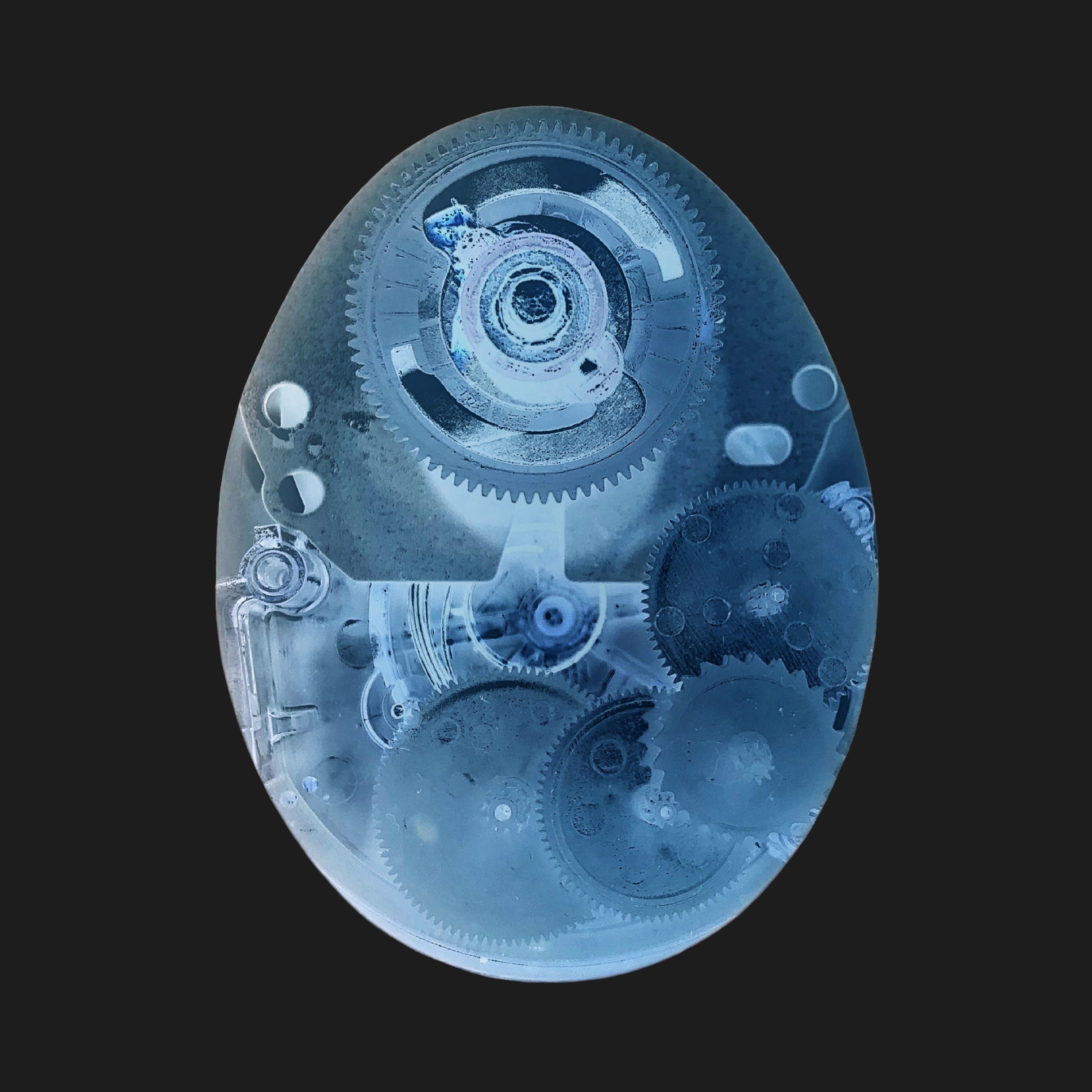
Be No.9 (2020)
The egg in my breakfast (2020.12)
I am hopeless in the kitchen. All I can make are fried eggs and boiled dumplings. But in truth, I chose to become hopeless in the kitchen, because spending so much time making something only for it to disappear in one bite feels like a terrible deal to me. And besides, learning from scratch is just too exhausting.
A retired electric fan (2020.12)
I am not someone who is especially sensitive to heat. In the past, I could sleep perfectly well through summer nights without turning on the air conditioner. But in recent years, I feel more and more unable to do that. I wonder whether the world has changed, or whether I have.
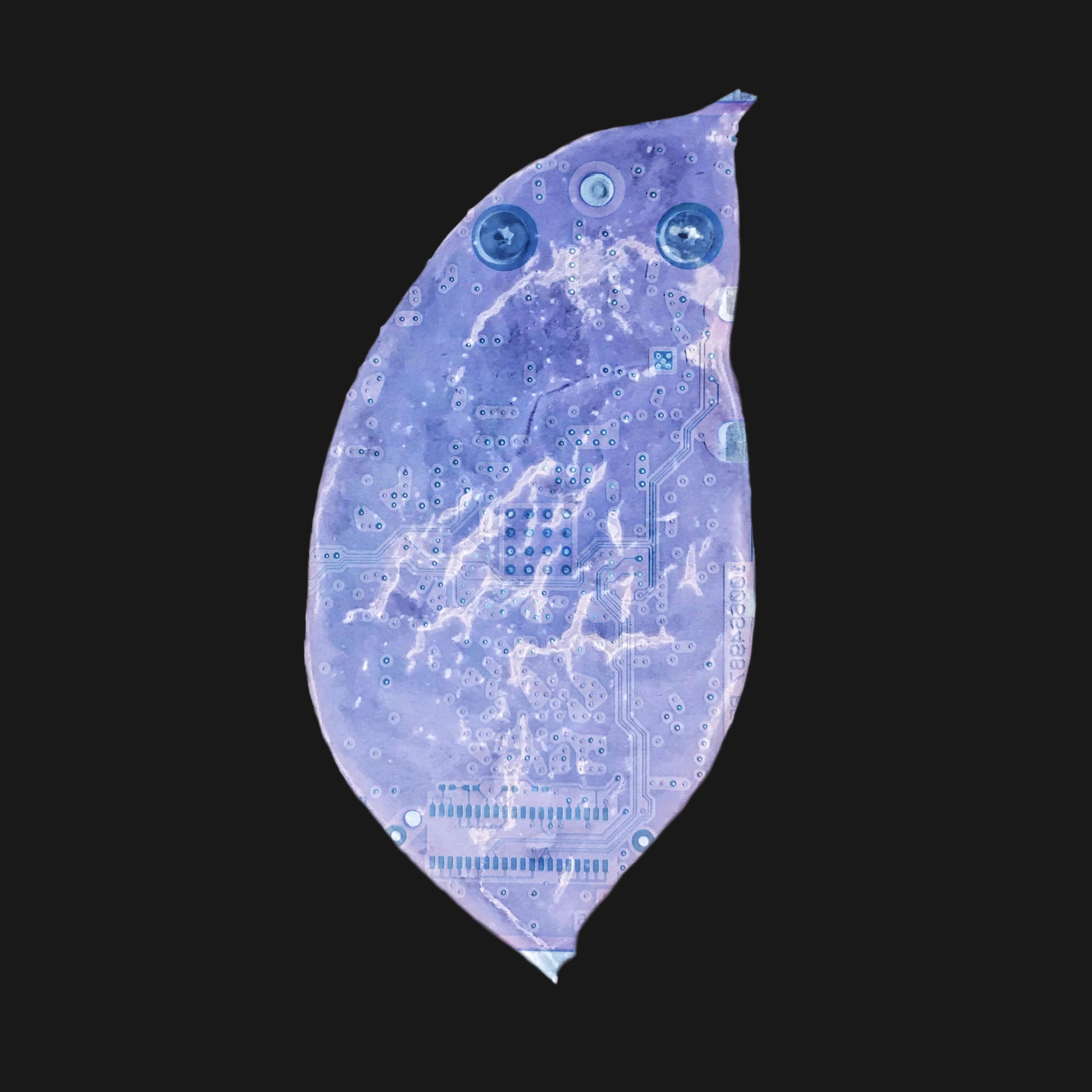
Be No.8 (2020)
A Pongamia seed pod picked up by my son (2020.11)
Someone once said that instead of giving children gifts, you should take them traveling. That idea resonates deeply with me, because gifts will eventually create the dilemma of whether to keep or throw away, while travel and good meals do not have that problem.
My wife’s old hard drive (2020.10)
I remember helping my father install software when I was young. It often required a whole stack of large floppy disks, inserted into the drive one after another according to their numbers. It was quite a major operation.
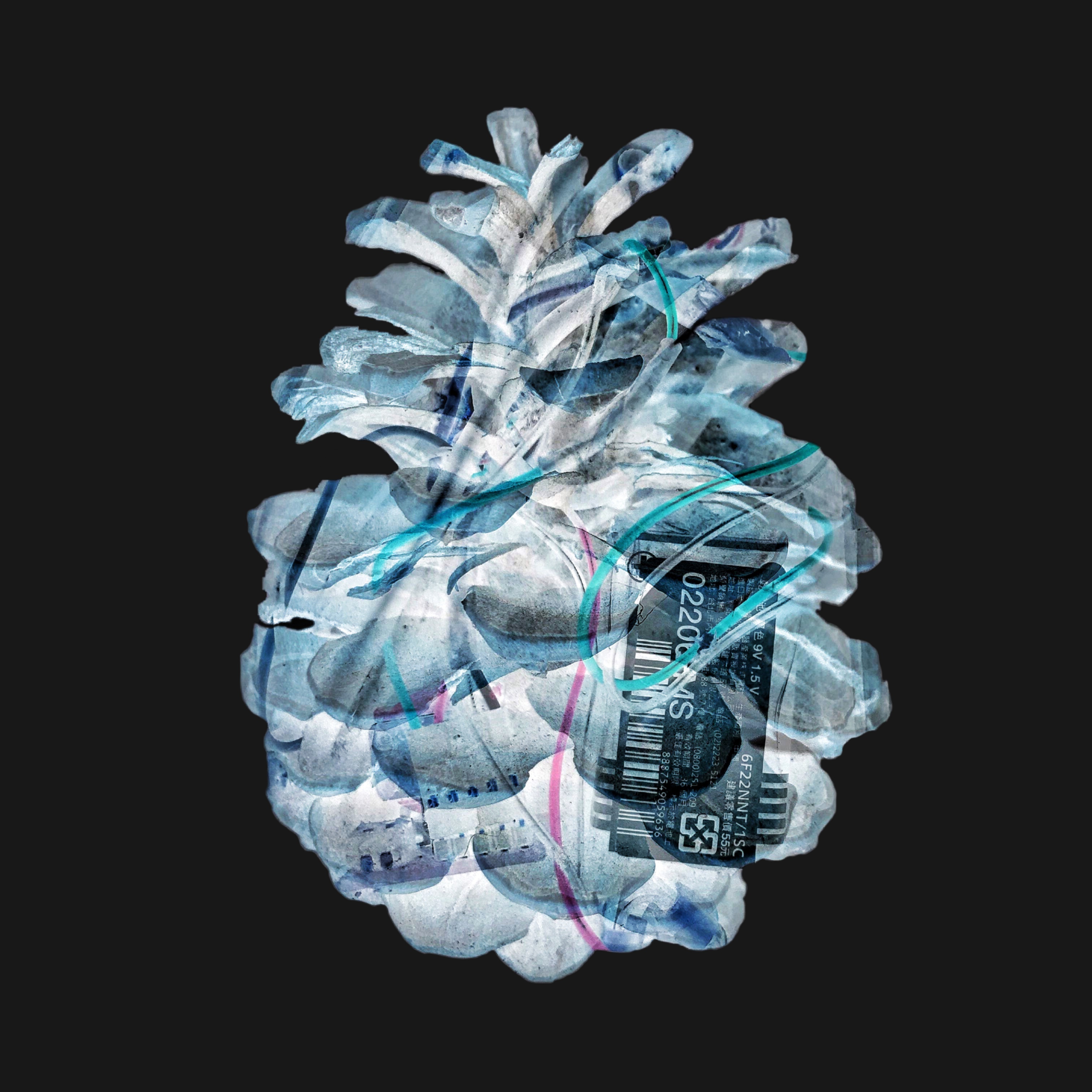
Be No.7 (2020)
A pine cone given to me by a friend (2020.10)
An old classmate who collects LEGO told me that many LEGO pieces today represent only one specific thing, unlike older LEGO pieces, where the same mold could become something completely different depending on the scene. For example, a piece shaped like a flashlight could become a support leg when used on a camper van. That, he said, is the kind of LEGO that truly sparks people’s imagination.
The circuitry inside my bass (2020.10)
This electric bass, which I bought during my first year of university, was made in West Germany, bearing witness to the history of the fall of the Berlin Wall. Unfortunately, after coming to Taiwan, it did not quite adapt to the climate, and without proper care, its neck became badly warped. Even so, I still love its sound and find it hard to let go of it.
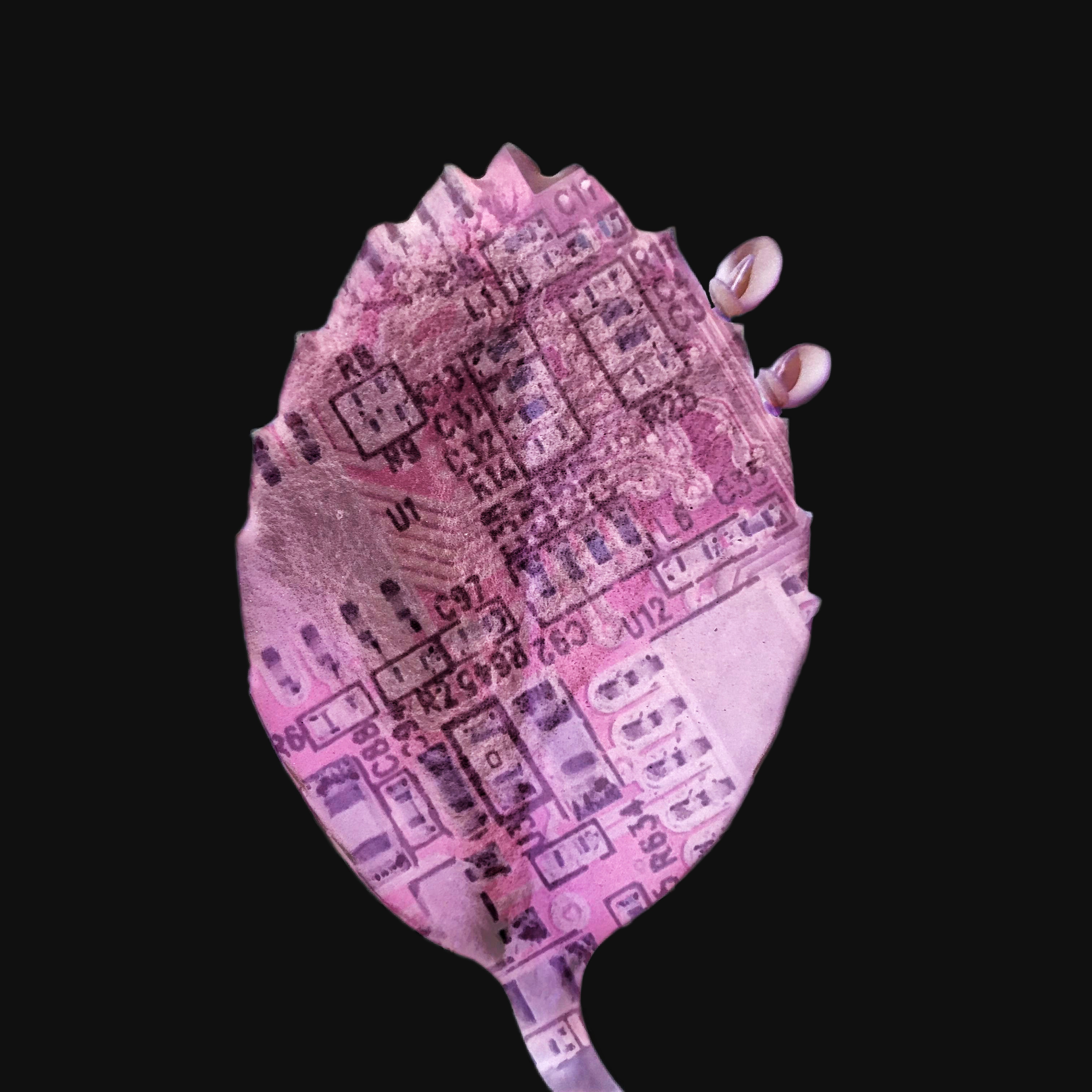
Be No.6 (2020)
The wildly growing Kalanchoe laetivirens (2020.10)
Along the windowsill, there was a row of Kalanchoe laetivirens planted in mugs. The auntie who made breakfast at a hotel enthusiastically plucked a few plantlets for us to take home. Once we planted them, we realized how incredible they were: they would not die even without watering, and they reproduced like wildfire.
The company HDMI adapter (2020.10)
This HDMI adapter in the company meeting room has been used so much that its casing has fallen off, yet it continues to work tirelessly. Adapters really are vessels that transcend time and space.
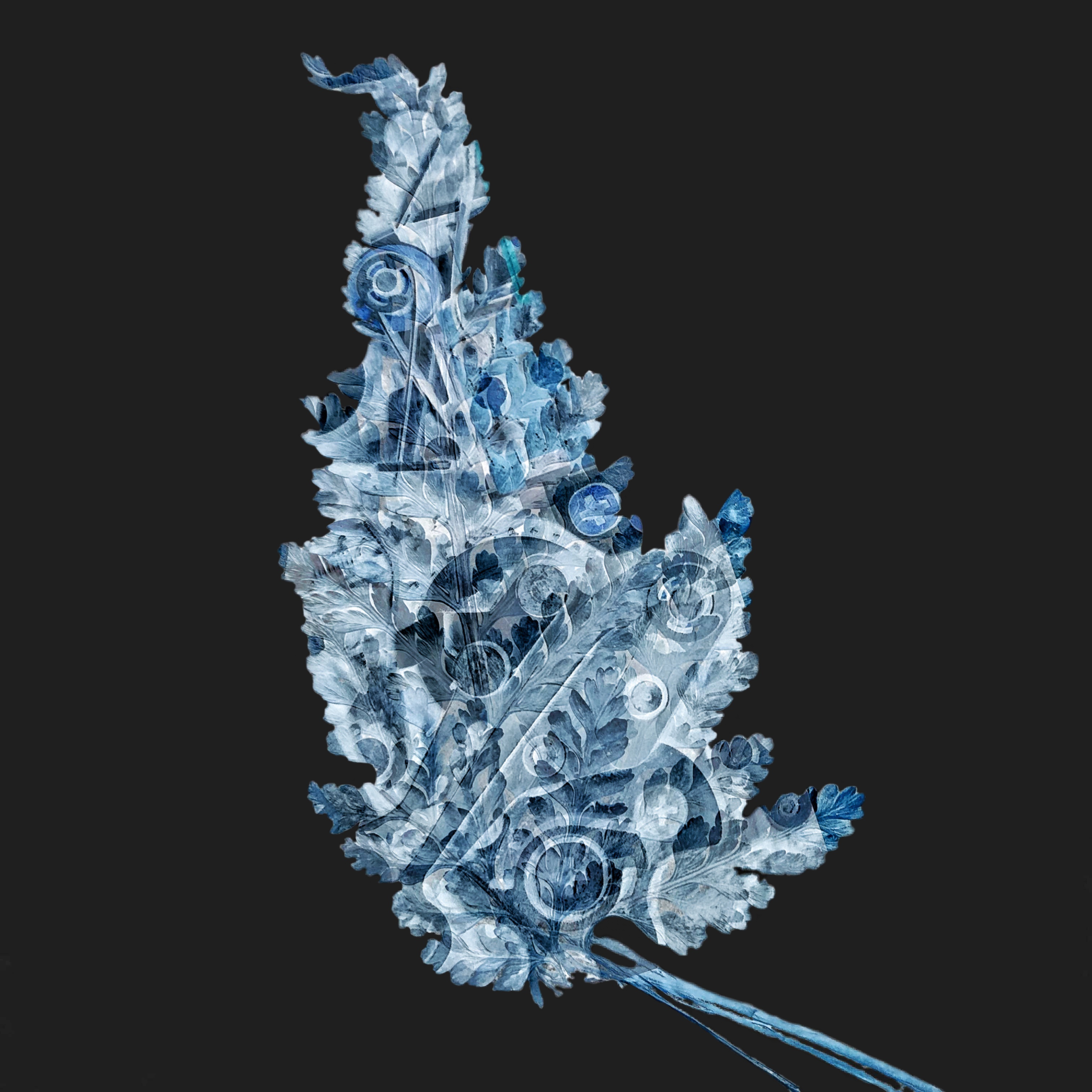
Be No.5 (2020)
A leaf from a trip (2020.10)
An old classmate of mine was about to become a father. Knowing full well how difficult raising a child can be, he felt anxious, so he decided to shut down some ventures that consumed a lot of time but were difficult to profit from. His financial path began to open up because of that. I feel the same very deeply: the birth of a child gave me the opportunity to learn how to make trade-offs.
The mechanism inside a film camera (2020.9)
I bought this slightly broken Canon A-1 online for a low price, and after applying some sewing machine oil, I managed to fix it. A while ago, its light meter broke, so I sent it in for repair. Fortunately, after the part was replaced, it returned to normal. Old cameras like this may have their small problems, but they are still very tough.
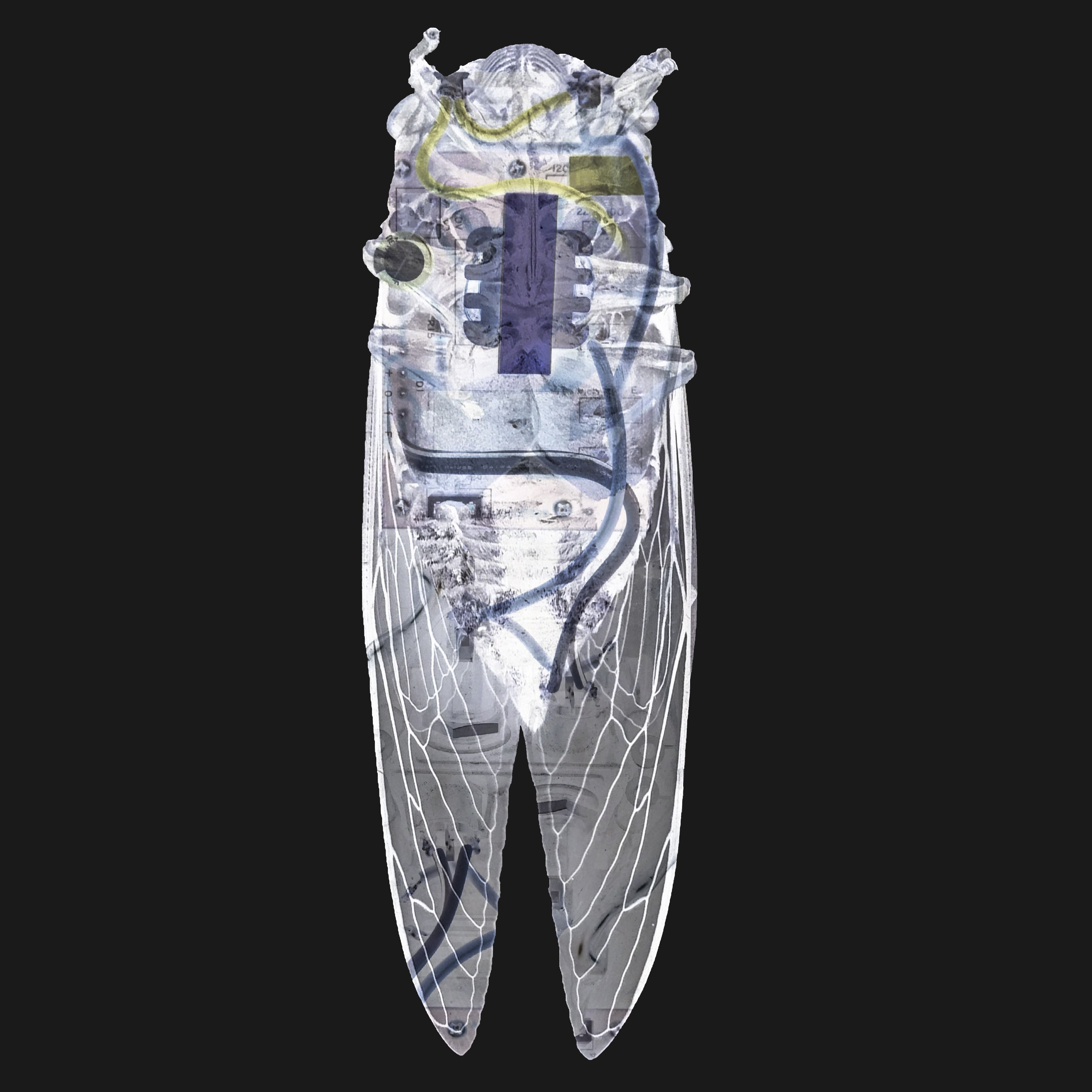
Be No.4 (2020)
A cicada found on the balcony (2020.9)
I took my one-year-old son out to the balcony to water the plants and found a dried-up cicada, completely intact. I did not know how to tell him what it was, nor did I know how to explain what had happened to it. I quietly dropped it into a trash bag, but I still felt that it was a bit of a shame.
The circuit inside the enlarger timer (2020.9)
I only recently discovered that the enlarger timer had become inaccurate. No wonder photographs printed with the same settings kept coming out at different densities. I had suspected every part of the printing and developing process, except this.
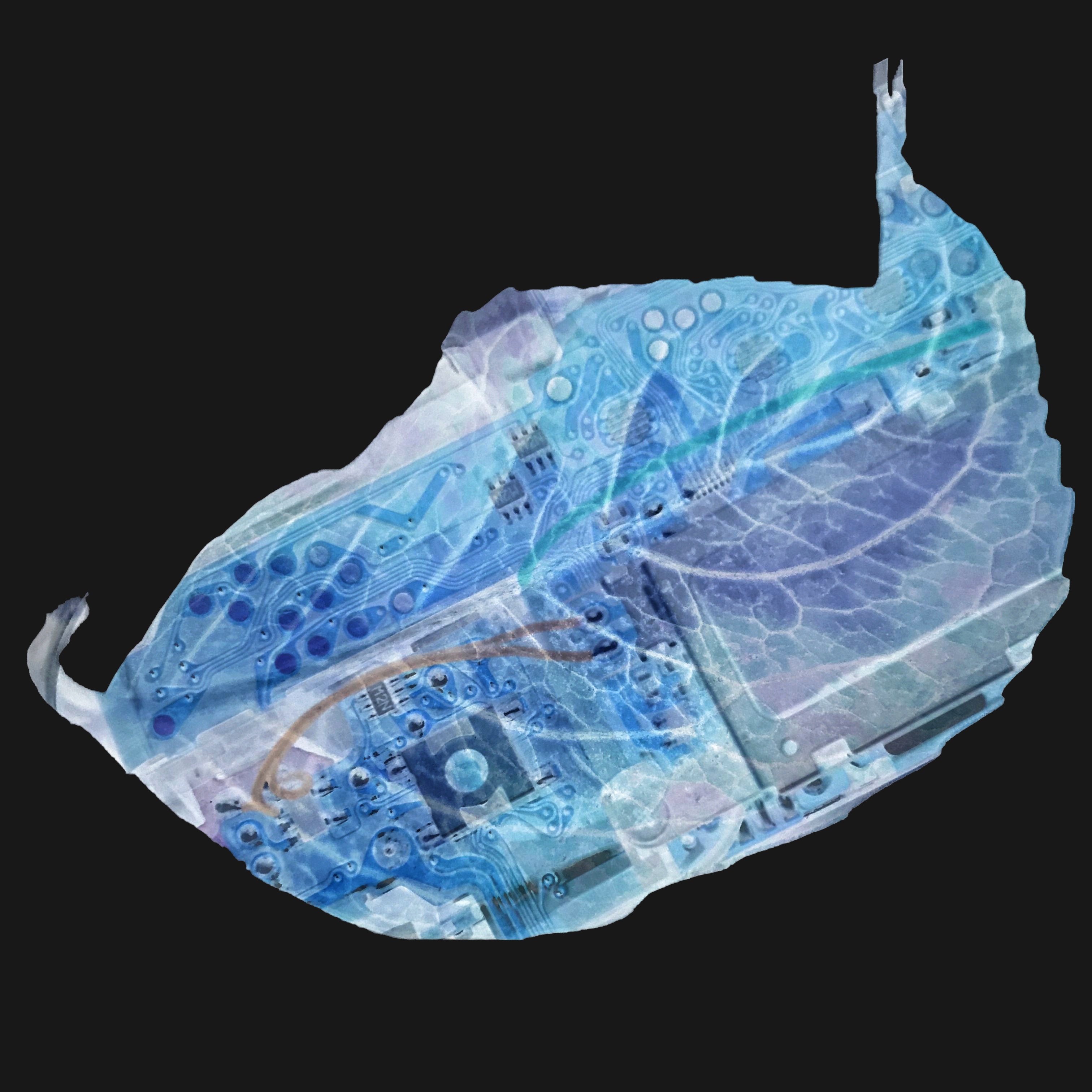
Be No.3 (2020)
A fallen leaf from a street tree (2020.9)
I took my son to meet friends at a restaurant, and accidentally brought home one of the restaurant’s books along with the picture book a friend had given us. My son really liked that book. Usually, when paper books end up in his hands, they need tape almost immediately. But we worked very hard to return this one to the restaurant intact, with only a few extra creases.
The circuit board in a broken camera (2020.9)
I found this fully functional Pentax compact camera in a secondhand shop. Although it was not extremely cheap, it at least satisfied the joy of treasure hunting, and it stayed with me for quite some time. Recently, its film advance mechanism broke, and it can no longer take pictures. Sending it in for repair probably would not be worth it. I still have not figured out how to say goodbye to it.
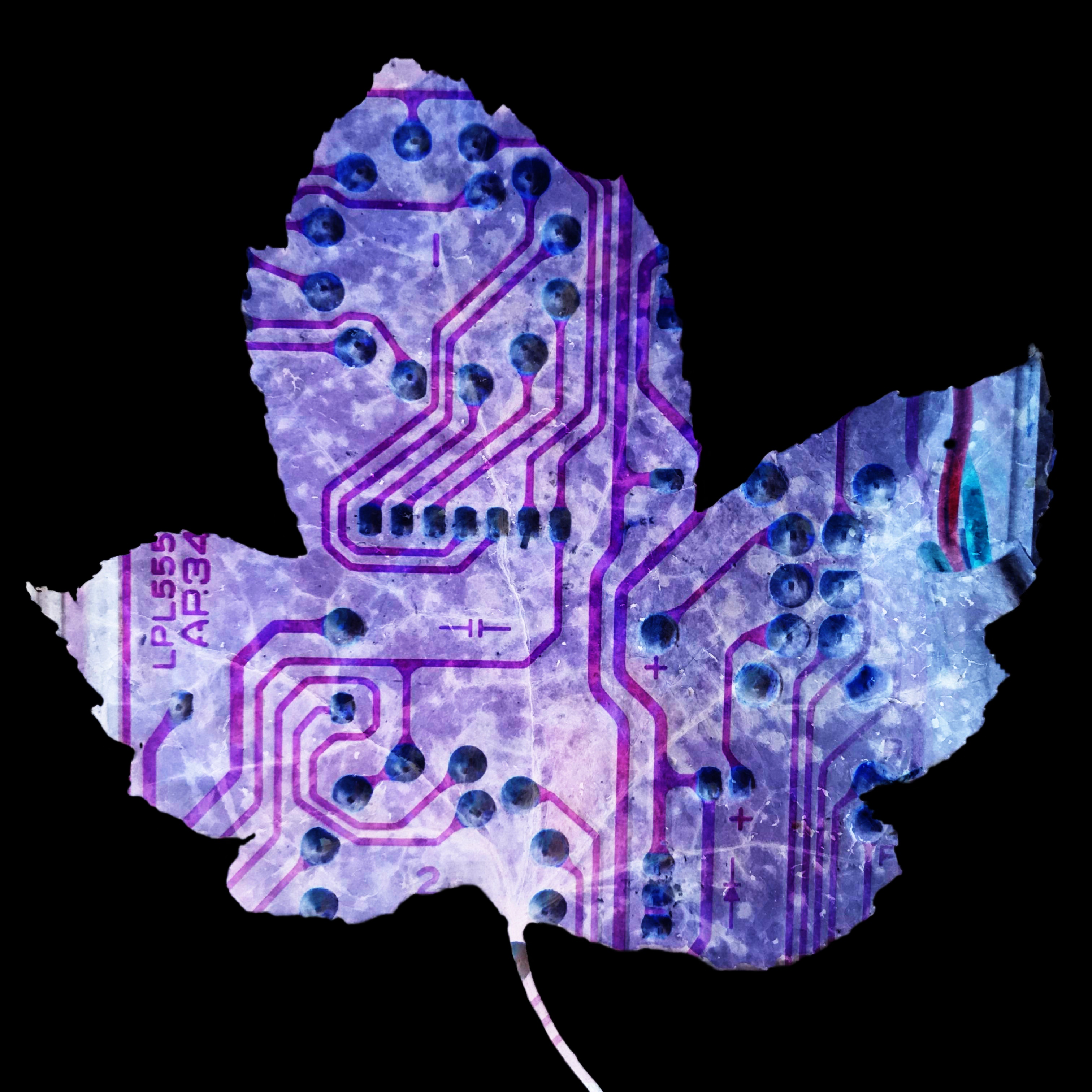
Be No.2 (2020)
Fallen leaves in the park (2020.9)
I took my son to the park, and he liked picking up leaves from the ground and stuffing them into drain covers or any random hole he could find. I wonder whether he found it interesting to make things disappear.
The enlarger repaired by my father (2020.9)
Several years ago, during a home renovation, I temporarily moved my enlarger outdoors and covered it with a raincoat. After the renovation was finished, I found that the wooden base had rotted, and the timer was covered in hardened cement and could no longer be used. My father made a new baseboard for me and repaired the timer. If the same thing happened between my son and me, I would probably give up on saving it and simply buy him a new set.
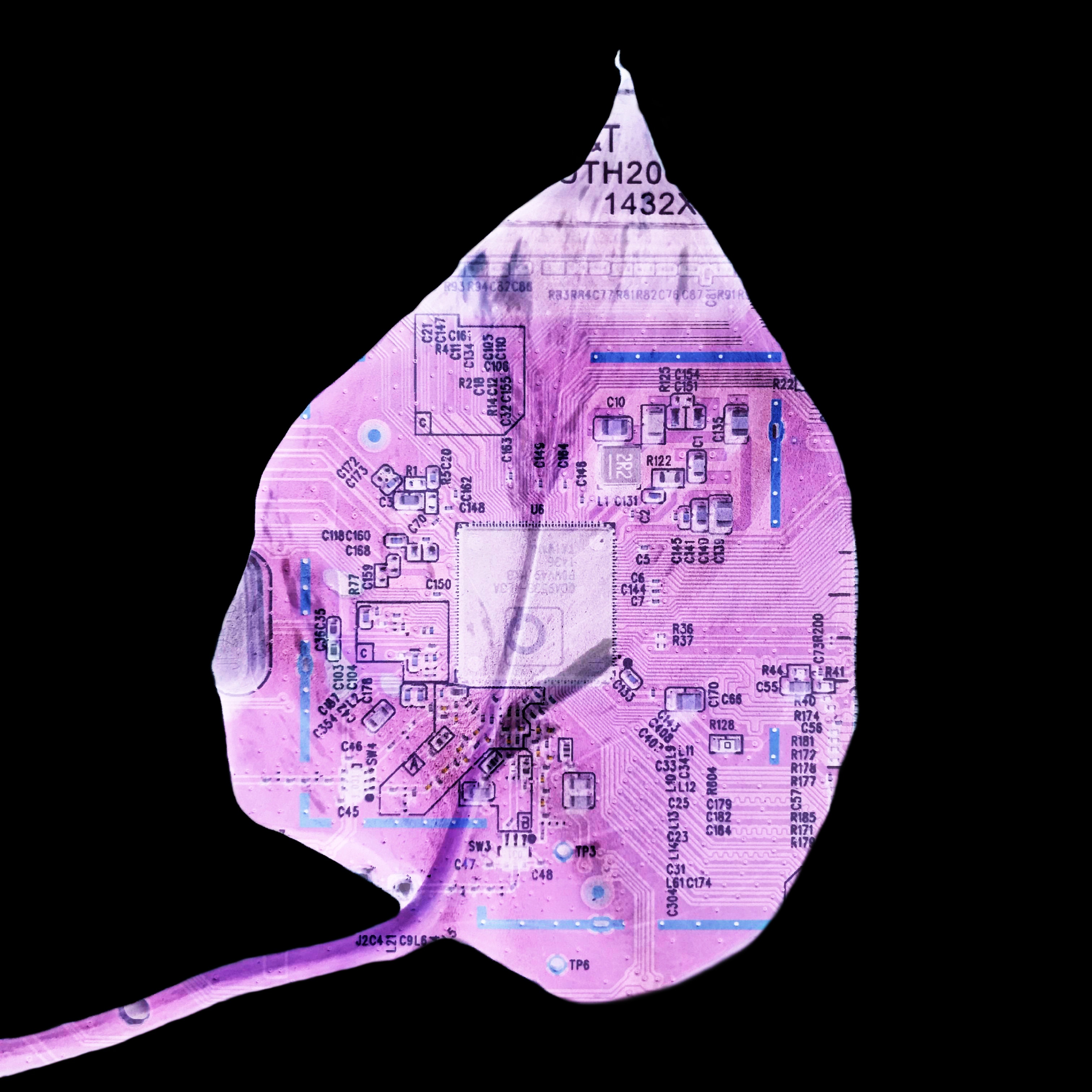
Be No.1 (2020)
My unkillable golden pothos (2020.8)
I am a plant killer. Most of the potted plants I have cared for have not survived more than a year. But this golden pothos is one of the earliest plants I ever grew, and fortunately, it is still alive today. Several times, it looked as if it was about to die because I had forgotten to water it, but as soon as I watered it again, it came back to life. I am grateful to it, because it makes me feel that I am not completely hopeless in this area.
A retired wireless AP (2020.8)
A while ago, the internet at home kept getting slower and slower, so I asked a technician to come take a look. The engineer said that in recent years, because too many devices use the 2.4 GHz band, the interference had become severe, and he recommended switching to a wireless AP with a 5 GHz band. And so, this AP without a 5 GHz band was eliminated.